
8 Smart Storage Solutions for Small Cabin Interior Design
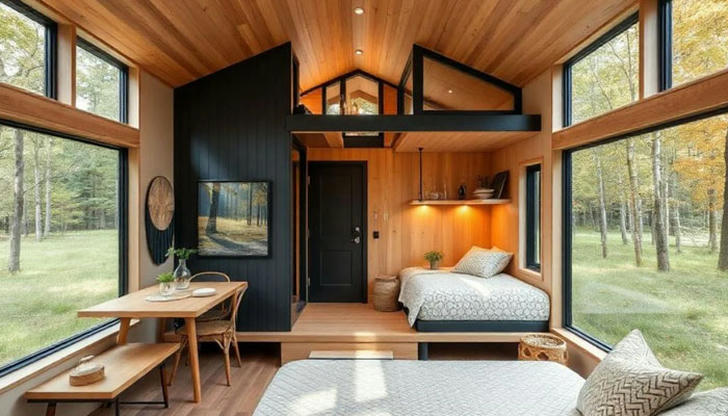
Small cabins feel warm and cozy, but limited space can quickly become a challenge when it comes to storage. Without a smart system, even a beautifully designed cabin can feel cluttered and cramped. The key is to use space creatively, combine functionality with design, and make every corner of the cabin work efficiently.
1. Vertical Wall Space
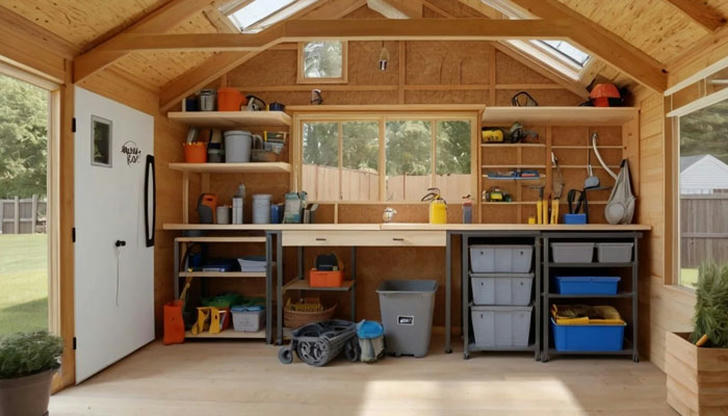
In small cabins, walls are often the most underused storage area, yet they offer some of the best opportunities for organization. Instead of relying only on floor cabinets, using vertical space helps keep the room open and visually larger. Floating shelves can hold daily essentials or decorative items without taking up valuable floor area. Wall-mounted hooks and rails are also useful for hanging coats, tools, or kitchen utensils, making frequently used items easy to access. Tall cabinets that extend toward the ceiling can further maximize storage capacity without increasing the footprint of the room.
2. Built-In Storage
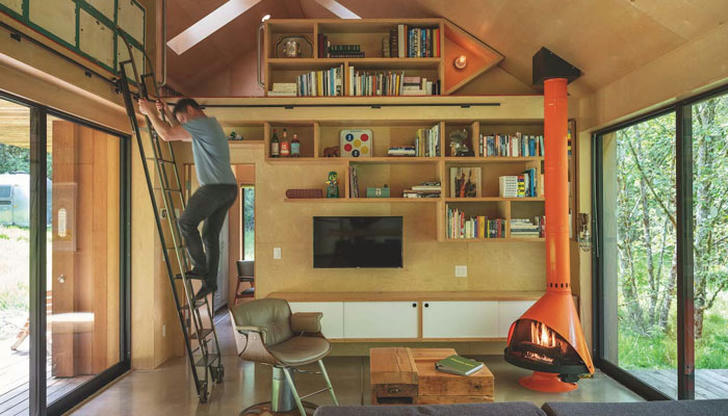
Built-in storage is one of the most efficient solutions for cabin interiors because it blends directly into the structure of the space. Instead of adding bulky furniture, built-ins such as window seat drawers, storage benches, or beds with integrated compartments make use of areas that would otherwise be wasted. For example, a bench near a window can double as seating and hidden storage for blankets or seasonal items. Built-in shelving around beams or corners also helps utilize awkward spaces that standard furniture cannot fit into, creating a cleaner and more organized look overall.
3. Multi-Functional Furniture
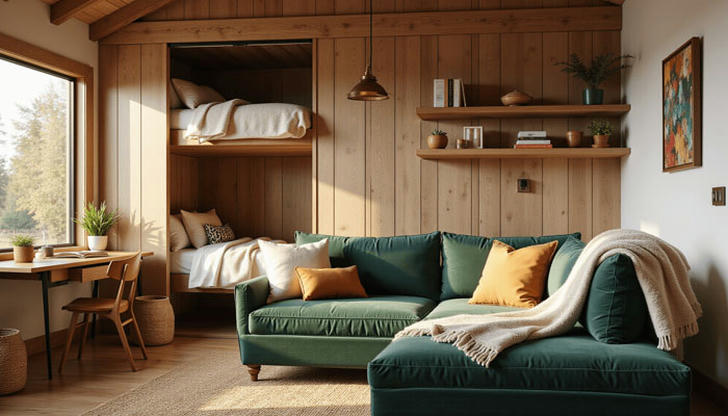
In a small cabin, every piece of furniture should ideally serve more than one purpose. Multi-functional furniture helps reduce clutter while increasing usability. A sofa that converts into a bed, an ottoman that opens for storage, or a dining table that folds against the wall can significantly improve space efficiency. These pieces are especially useful in open-plan cabins where rooms serve multiple functions. The advantage of this approach is not just saving space, but also reducing the need for additional furniture that can make the interior feel crowded.
4. Hidden Storage Areas
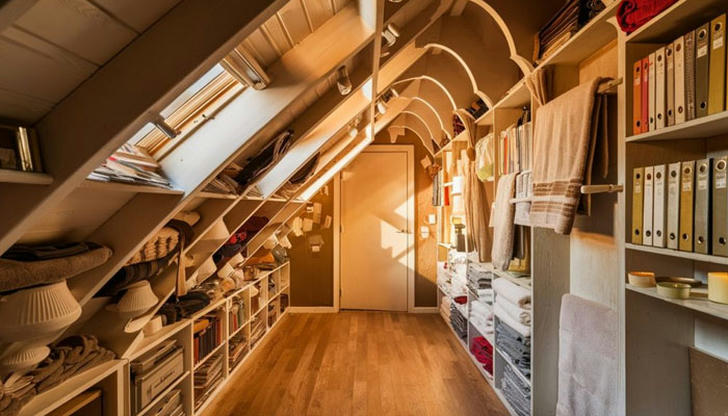
Hidden storage is a practical way to keep a cabin looking clean while still maintaining functionality. Spaces under beds are often overlooked but can store seasonal clothing, extra bedding, or outdoor gear using rolling drawers or storage bins. Stairs in loft-style cabins can also be designed with built-in drawers or compartments, turning each step into usable storage space. Even raised platform floors can hide storage beneath them, offering a large and discreet area for items that are not needed daily. These hidden solutions help maintain a minimalist and organized interior.
5. Kitchen Organization
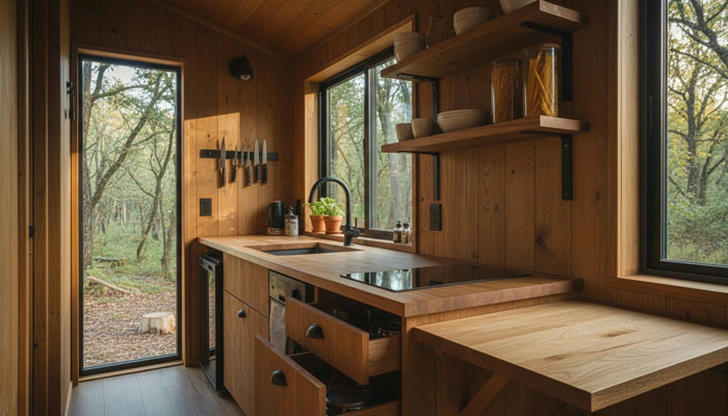
The kitchen in a small cabin requires careful planning because it often combines cooking, storage, and dining in one compact area. Efficient use of space is essential. Wall-mounted magnetic strips can hold knives and metal utensils, freeing up drawer space. Hanging racks are useful for pots, pans, and cups, while stackable containers help maximize cabinet storage. Cabinet doors can also be used for additional storage by adding hooks or small racks. Open shelving is another popular choice in cabins because it keeps frequently used items accessible while also adding a rustic aesthetic.
6. Entryway Storage Systems
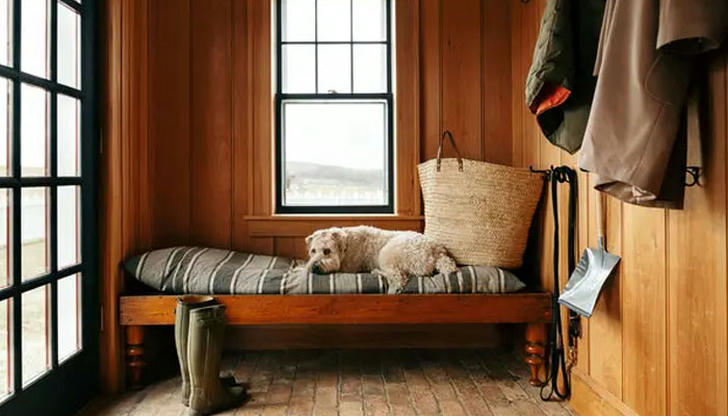
The entryway is often the first area to become cluttered in a small cabin, especially with coats, shoes, and outdoor gear. A well-designed entry system helps maintain order throughout the rest of the home. Wall hooks or pegboards can hold jackets and bags, while narrow benches provide seating and hidden storage at the same time. Vertical organizers can be used for shoes or daily essentials like keys and gloves. Creating a designated "drop zone" near the entrance helps prevent clutter from spreading into living areas, keeping the entire cabin more organized.
7. Bathroom Storage Ideas
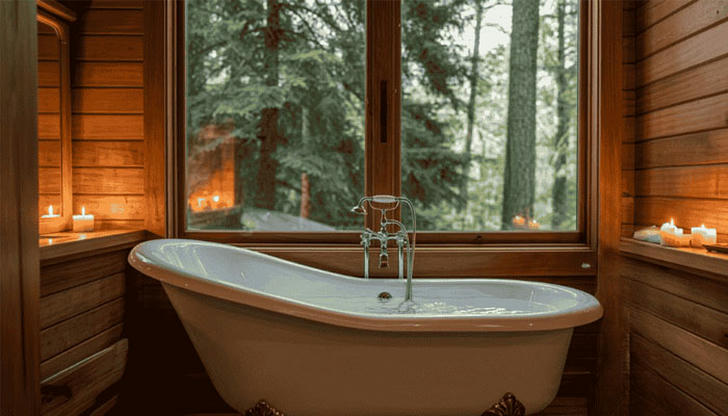
Bathrooms in cabins are usually compact, which makes smart storage even more important. Over-the-toilet shelving is a simple way to add storage without taking up floor space. Wall-mounted cabinets or floating shelves can hold toiletries and towels while keeping surfaces clear. Corner units are particularly useful in tight layouts, making use of space that is often ignored. Keeping bathroom storage minimal and well-organized helps maintain a clean and calming environment, even in very small spaces.
8. Under-Stair & Corner Storage Use
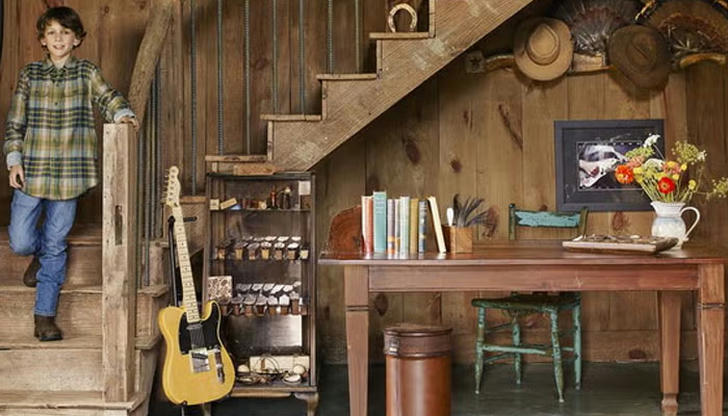
One of the most effective yet often overlooked storage solutions in small cabin interiors is using under-stair areas and tight corner spaces. These zones are usually wasted in traditional layouts, but in compact cabins they can become highly functional storage hubs. Under stairs can be converted into pull-out drawers, closed cabinets, or open shelving for shoes, tools, or seasonal items. In loft-style cabins, this space is especially valuable because it sits in a naturally low-traffic area.
Corners also offer surprising storage potential when designed properly. Instead of leaving them empty or filling them with bulky furniture, custom corner shelves or angled cabinets can fit seamlessly into the structure of the cabin. These solutions help maintain open walking space while still providing room for essential storage. Even small additions, like corner hooks or narrow vertical racks, can significantly improve organization without affecting the visual openness of the room.
Conclusion
Smart storage in a small cabin is not about adding more furniture---it is about using space more intelligently. By combining vertical storage, built-in solutions, multifunctional furniture, and hidden compartments, even the smallest cabin can feel open and organized. When paired with simple decluttering habits, these strategies create a living space that feels both functional and comfortable without sacrificing its cozy charm.