
Cabin Designs That Look Cozy---but Feel Miserable in Winter
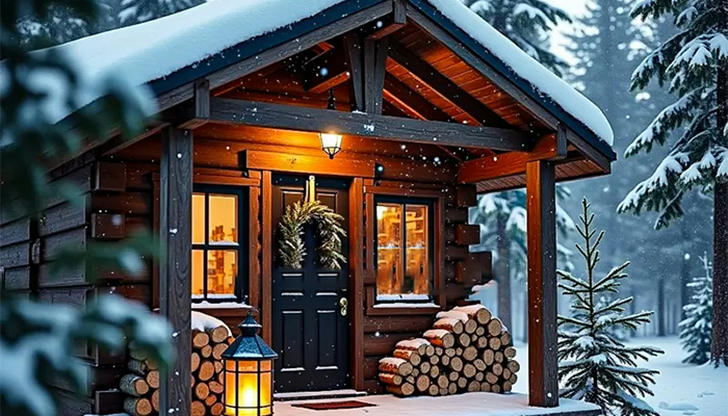
Some cabins look perfect in winter photos.
There's snow on the roof, warm light glowing through the windows, maybe a wood stove flickering in the corner. You can almost feel the warmth just by looking at it.
Then you step inside in January---and reality hits.
The air feels chilly no matter how long the heater's been running. Your feet are cold. Certain corners never warm up. And by the end of the month, the heating bill is higher than you expected. The cabin still looks cozy, but it doesn't feel cozy.
This happens more often than people realize. Many popular cabin designs are built to look warm, not to actually handle winter well. And winter is very good at exposing weak design choices.
1. When Too Much Glass Becomes a Problem
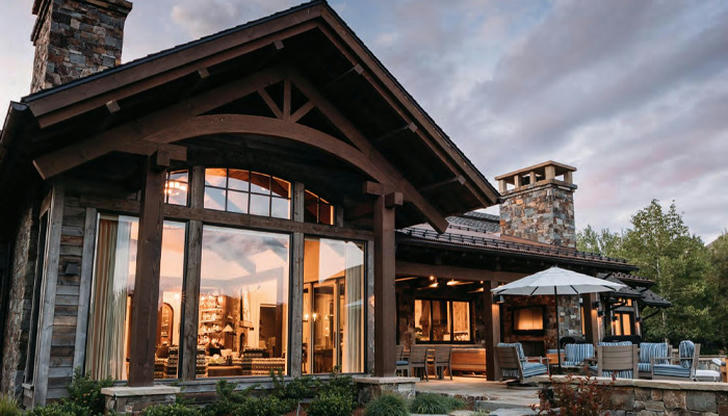
Big windows are one of the first things people fall in love with. Floor-to-ceiling glass, forest views, morning light pouring in---it all feels very "modern cabin."
But when temperatures drop, those windows start working against you. Even high-quality glass loses heat faster than solid walls, especially overnight. You end up with cold air pooling near seating areas, constant temperature swings, and that uncomfortable feeling that the heat never quite stays where you want it.
A lot of cabin owners quietly solve this by pulling heavy curtains closed for most of the winter. The view is still there, technically---but you're not enjoying it the way you imagined.
A few well-placed windows often create a warmer, more livable space than one giant wall of glass.
2. Lofted Cabins That Heat the Wrong Spaces
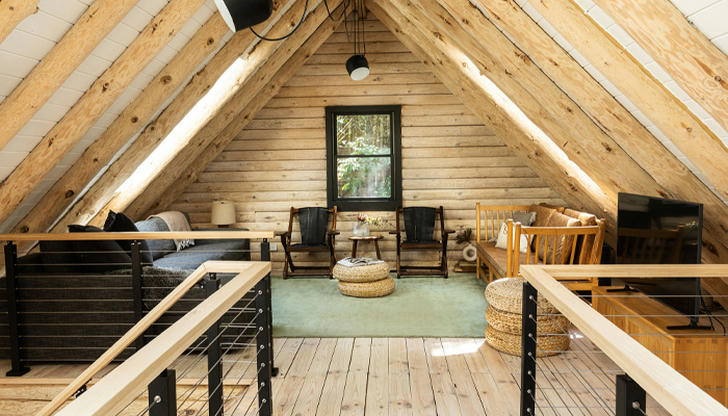
Lofts are charming. They make a small cabin feel open and airy, and they look great in photos.
In winter, though, they reveal a frustrating truth: heat goes up. That means the loft gets warm while the living area below stays cool. You can have a fire going, a heater running, and still feel chilly sitting on the couch while the loft above feels like a sauna.
Ceiling fans help, but they're often fighting a losing battle. Over time, it becomes clear that the cabin wasn't designed around how heat actually moves---just how space looks.
Lower ceilings or partial lofts often feel far cozier in real winter living.
3. High Ceilings That Never Feel Warm at Ground Level
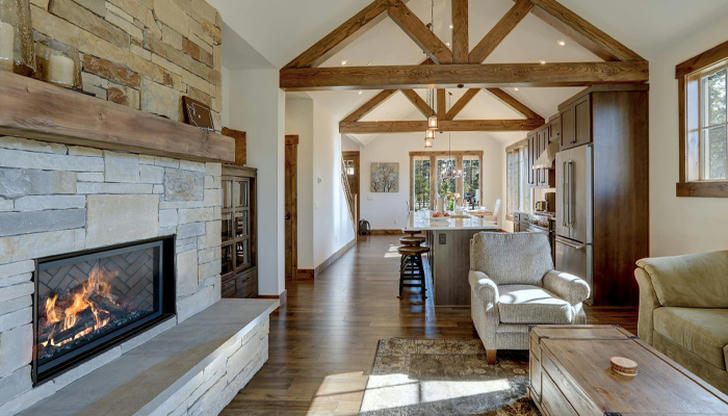
Cathedral ceilings add drama, but winter doesn't care about drama.
The higher the ceiling, the more air you're trying to heat---and most of that warmth ends up far above where people actually live. The result is a cabin that technically reaches the right temperature, but never feels warm at floor level.
Cold feet become normal. Rugs multiply. Slippers become mandatory.
A cozy cabin doesn't need to feel grand. It needs to feel comfortable where you sit, cook, and relax.
4. Exposed Beams That Look Rustic but Leak Heat
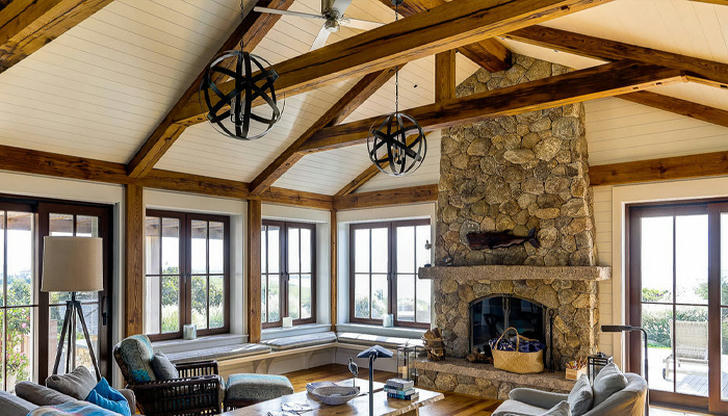
Exposed beams are classic cabin features, and when they're done right, they add warmth and character. When they're done wrong, winter finds them fast.
In many cabins, structural beams pass straight through insulation layers. Over time, this creates cold spots along ceilings and walls that never quite disappear. Some owners notice uneven snow melt on the roof. Others start seeing condensation or damp areas near beam intersections after a few seasons.
None of it feels dramatic at first---it just feels like a cabin that's harder to keep comfortable than it should be.
The problem isn't exposed beams themselves. It's when insulation and air sealing are sacrificed for looks. A cabin can still have character without letting heat escape through its bones.
5. Minimalist Designs With No Place for Winter Life
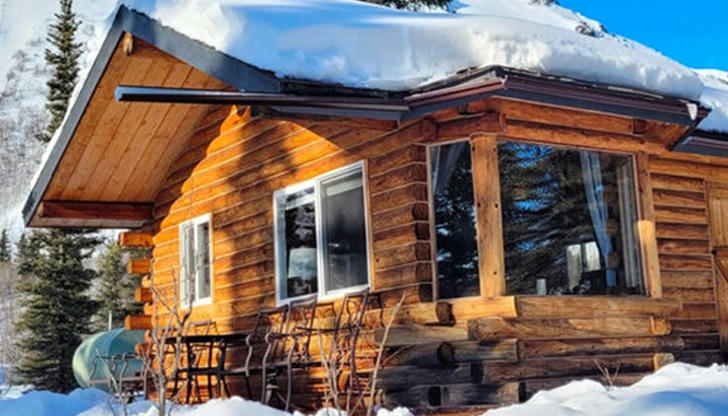
Minimalist cabins look clean and peaceful---until winter shows up with boots, coats, gloves, and firewood.
Without a proper entry area, wet gear ends up piled near doors or dragged straight into living spaces. Snow melts onto floors. Gloves disappear. The cabin starts feeling cluttered and uncomfortable, even though nothing is technically "wrong" with the design.
A small, thoughtful transition space makes a huge difference in winter. It's not glamorous, but it's the kind of detail that separates cabins that feel relaxing from ones that feel constantly messy.
6. Wood Stoves Placed for Photos, Not Comfort
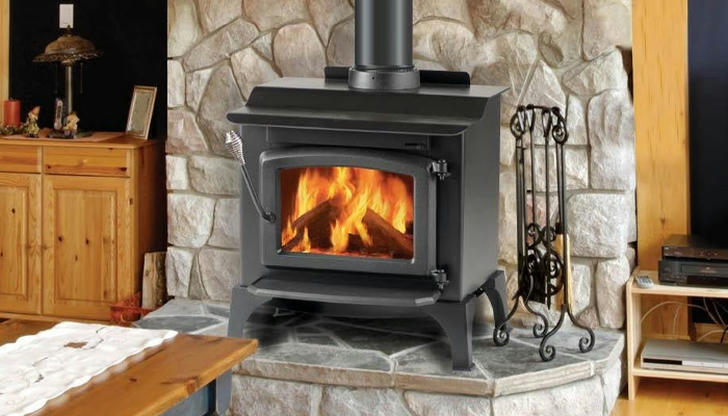
Wood stoves are often treated like decorative centerpieces. They're placed where they look best, framed by windows or stone, perfectly centered for symmetry.
In winter, poor placement becomes obvious. Heat collects where no one sits. Bedrooms stay cold. You find yourself adjusting the fire constantly just to keep the cabin comfortable.
A stove doesn't have to be ugly to work well---but it does need to be positioned with heat flow in mind. Comfort always beats symmetry in a winter cabin.
7. Fancy Rooflines That Winter Punishes
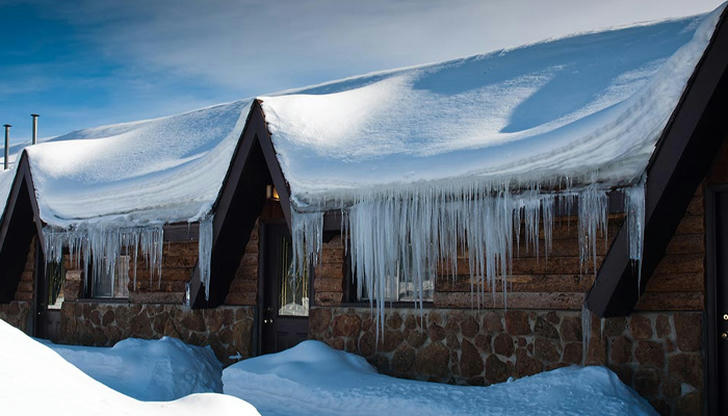
Complex roof designs look impressive, especially from the outside. In winter climates, they often turn into maintenance headaches.
Snow collects in valleys. Ice dams form. Leaks become a seasonal worry. What looked unique and architectural starts feeling fragile and demanding.
Simple rooflines may not win design awards, but they shed snow better, insulate more easily, and cause far fewer problems over time.
8. Rustic Materials That Feel Colder Than They Look
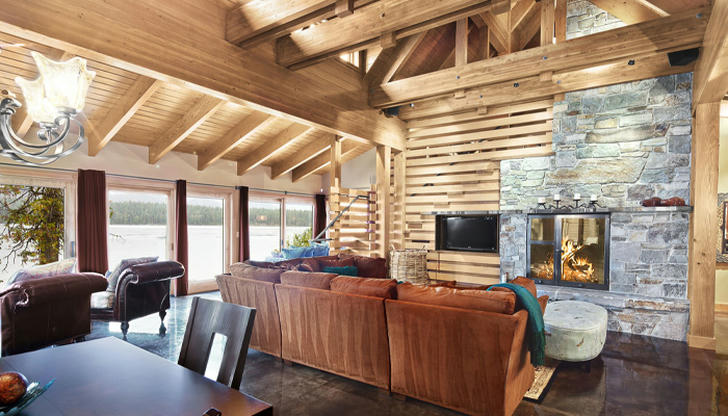
Stone floors, concrete surfaces, and raw finishes photograph beautifully. In winter, they can make a cabin feel cold even when the thermostat says otherwise.
Hard surfaces hold the chill. Sound echoes. The space feels harsher than expected.
Warmth isn't just temperature---it's texture. Cabins that feel cozy usually mix rustic materials with softness, layers, and surfaces that invite you to settle in.
9. The Real Difference Between "Cozy" and Comfortable
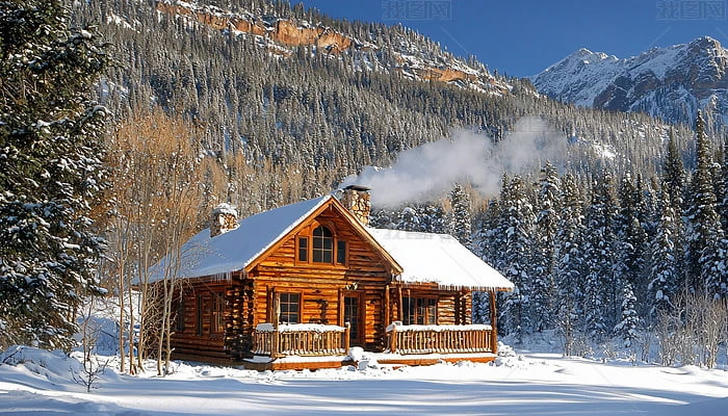
The cabins that feel best in winter aren't always the most dramatic or modern. They're the ones where you don't think about the cold, the drafts, or the heating system. You just feel comfortable.
Before falling in love with a design, it helps to ask a simple question:
How will this cabin feel in January, not July?
If the answer is "warm, calm, and easy to live in," then it's truly cozy---no matter how it looks in photos.