
Cabins Built for Retirement Smart Layouts That Age Well

For many people, a log cabin isn't just a weekend escape---it's the place they hope to enjoy for decades. As more homeowners plan for retirement in quieter, nature-filled settings, cabin design is beginning to shift. The goal is no longer just rustic charm. It's about creating a space that remains comfortable, safe, and easy to live in as the years go by.
A well-designed retirement cabin doesn't need to feel clinical or institutional. In fact, the best layouts combine timeless cabin character with thoughtful features that make daily life easier at every age. The result is a home that still feels cozy and beautiful, but also practical for long-term living.
Below are some of the smartest cabin design strategies for creating a space that truly ages well.
Start With a Single-Level Layout
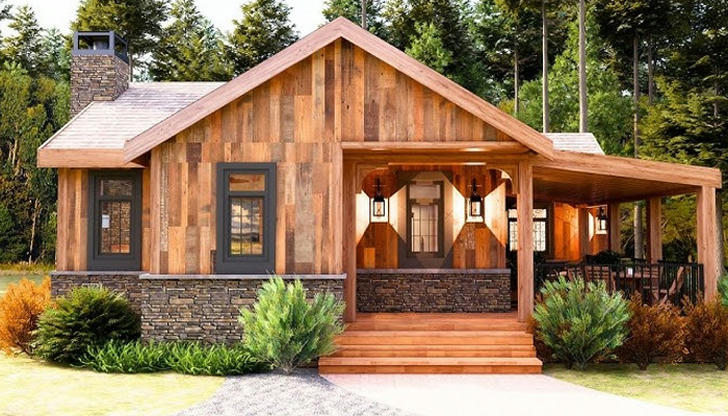
One of the most important decisions in retirement-friendly cabin design is choosing a single-story layout. While loft bedrooms and dramatic staircases may look appealing in photos, they can become inconvenient---or even risky---over time.
A single-level cabin eliminates the need for stairs and keeps everyday living spaces within easy reach. Bedrooms, bathrooms, kitchen, and laundry should ideally be on the same floor. Even if the home includes a loft or basement for guests, the main living areas should remain fully functional without needing to climb steps.
This type of layout not only improves accessibility but also simplifies daily routines. Everything feels more connected and efficient, which is exactly what many retirees want.
Design Wide, Open Living Spaces
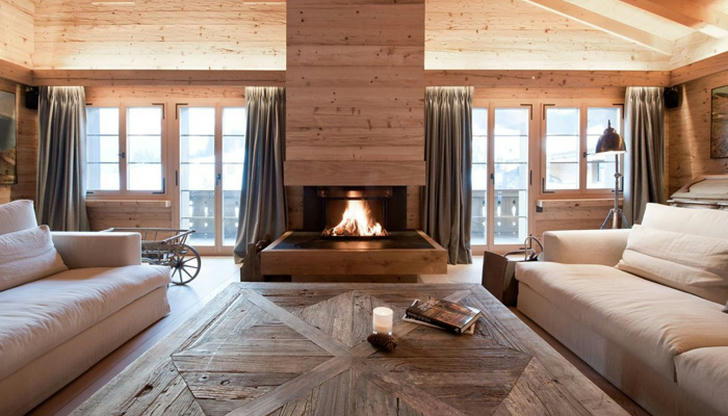
Cabins are known for warm gathering spaces---large living rooms, fireplaces, and open kitchens. Luckily, this traditional cabin layout also works perfectly for retirement living.
Open floor plans reduce tight hallways and cramped corners, making movement easier. Wider walkways between furniture and doorways create a more comfortable environment, especially if mobility ever becomes a concern.
Large, connected spaces also make entertaining easier. When friends and family visit, the kitchen, dining, and living areas naturally flow together, allowing everyone to spend time in the same comfortable environment.
Another advantage is visibility. Open spaces allow homeowners to see across the room easily, which improves both safety and convenience.
Prioritize a Comfortable, Accessible Bathroom
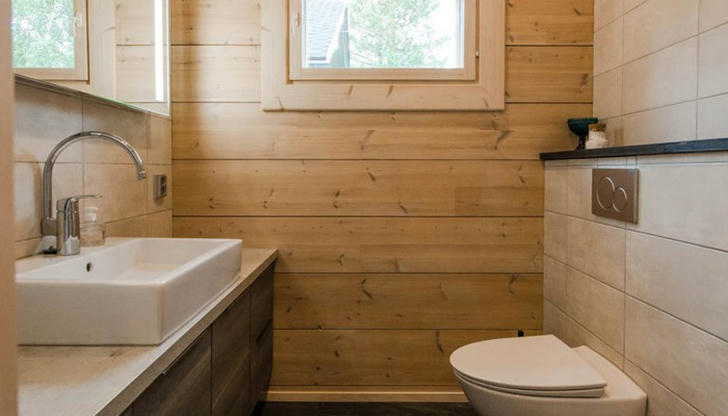
Bathrooms are one of the most important areas to plan carefully. Small design choices can make a big difference later on.
Walk-in showers are increasingly popular in retirement cabins because they remove the need to step over a tall tub wall. A curbless shower entrance, where the floor slopes gently toward the drain, can be even safer and easier to use.
Other thoughtful features include:
slightly higher toilets for easier sitting and standing
good lighting around mirrors
slip-resistant flooring
simple, easy-to-use faucets
None of these features change the cabin's rustic charm. In fact, many modern rustic bathrooms blend natural wood, stone, and large showers to create a space that feels both luxurious and practical.
Keep the Entryway Simple and Step-Free
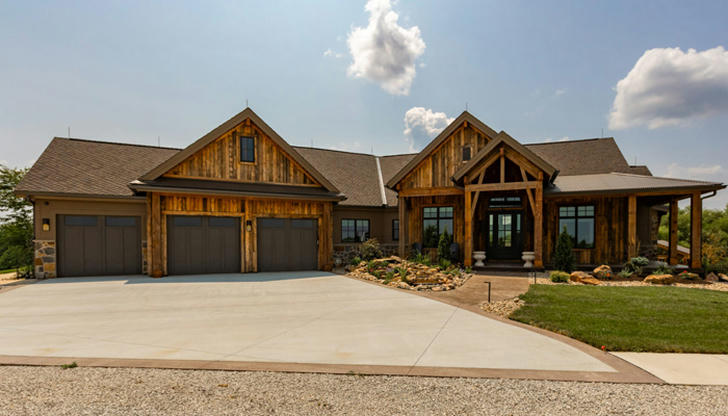
The cabin entry may seem like a small detail, but it plays a major role in long-term comfort. Traditional cabins sometimes include multiple steps leading up to the porch or doorway. Over time, these steps can become inconvenient.
A step-free entrance, sometimes called a "zero-step entry," allows residents to walk directly inside without climbing stairs. Gentle pathways or gradual slopes can achieve the same rustic look while improving accessibility.
This type of entry also makes everyday tasks easier, such as carrying groceries, moving luggage, or bringing in firewood. It's a simple design decision that adds long-term convenience.
Think Carefully About Storage
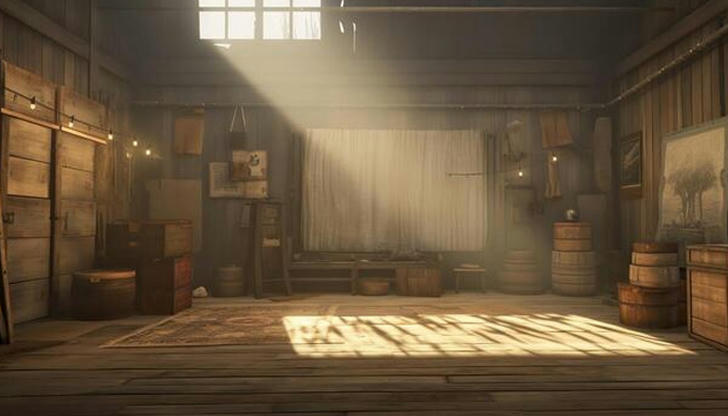
Storage is one of the most overlooked aspects of cabin design. While many cabins emphasize open living areas, they often lack enough practical storage space.
For retirement living, it's helpful to include:
a mudroom for coats, boots, and outdoor gear
built-in shelves or cabinets in the living room
easy-to-reach kitchen storage
a laundry room with extra shelving
These spaces help keep the cabin organized and reduce clutter. They also make it easier to maintain the home without constant cleaning or rearranging.
A mudroom is especially useful in cabins located near forests, lakes, or mountains, where outdoor clothing and equipment are part of everyday life.
Bring the Outdoors In
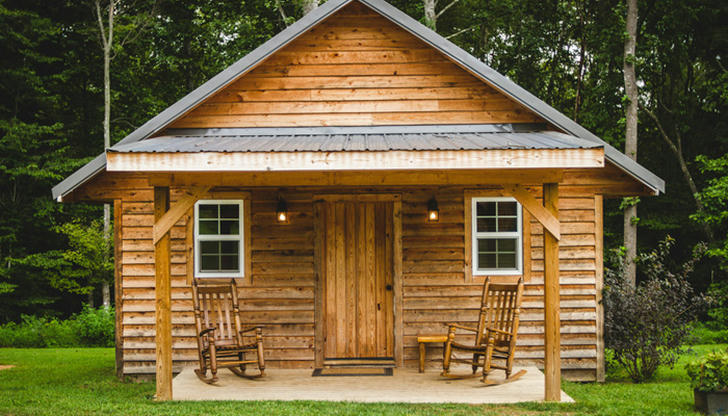
One of the main reasons people choose cabin living in retirement is the connection to nature. A well-designed cabin should make that connection easy to enjoy.
Large windows, glass doors, and covered porches allow homeowners to appreciate the surrounding landscape without leaving the comfort of their home. Watching snowfall in winter or sunsets in summer can become part of the daily routine.
Covered decks or screened porches are especially valuable. They create outdoor spaces that remain comfortable even during rain or strong sunlight. For retirees who enjoy reading, relaxing, or hosting family gatherings, these areas often become the most loved parts of the cabin.
Plan for Low-Maintenance Living
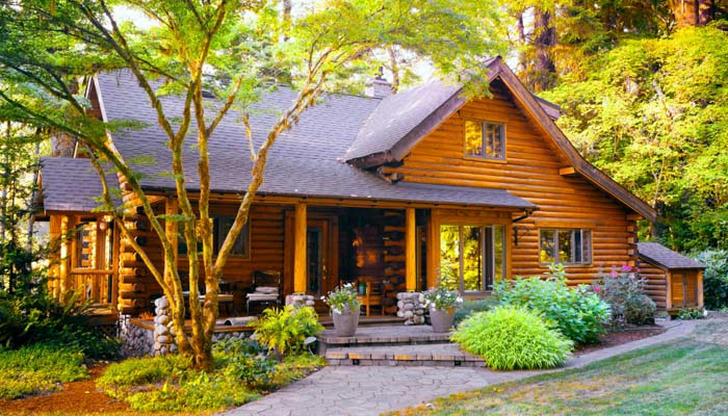
Another important factor in retirement cabin design is maintenance. While traditional cabins are beautiful, some materials require significant upkeep.
Choosing durable materials can reduce the amount of work needed over time. Metal roofing, composite decking, and high-quality finishes help protect the cabin from weather while lowering long-term maintenance.
Inside the home, simple layouts and durable surfaces also make cleaning easier. The goal is to spend less time maintaining the house and more time enjoying the lifestyle that cabin living offers.
A Cabin Designed for the Long Run
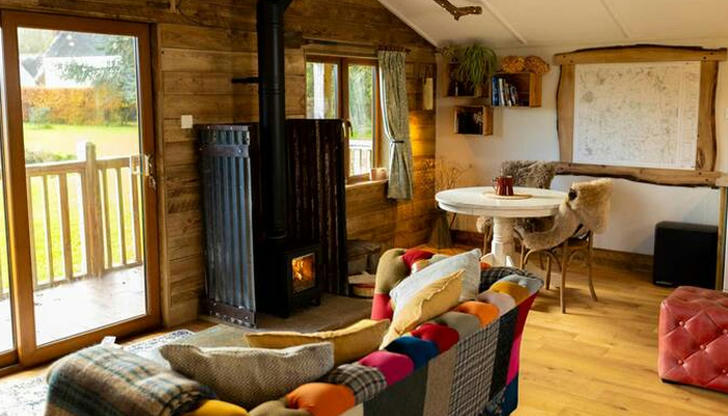
Designing a cabin for retirement isn't about sacrificing style or character. It's about making thoughtful decisions that support comfort, safety, and ease of living for years to come.
Single-level layouts, open spaces, accessible bathrooms, and simple entryways can transform a cabin into a home that works beautifully at every stage of life. When combined with the warmth of wood interiors, scenic views, and peaceful surroundings, these features create a place that truly feels timeless.
For many homeowners, the perfect retirement cabin isn't the largest or most luxurious one. It's the one designed carefully enough that they never have to leave it.