
10 Places Around Your Cabin to Check If You Only Have 10 Minutes
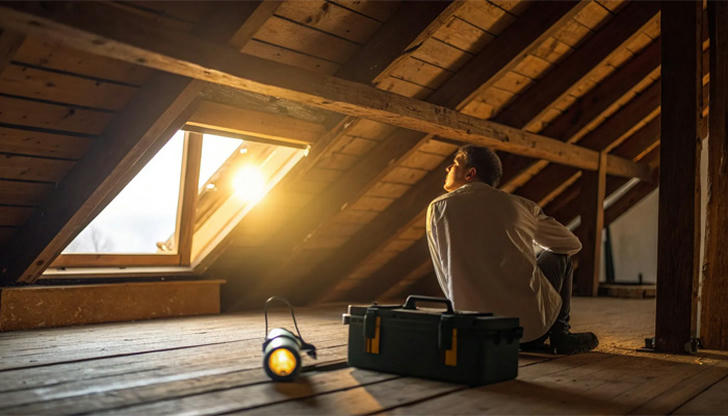
If you only have 10 minutes at your cabin, you probably don't want to spend all of them crawling around with a toolbox. The good news is that a quick visual check can still catch plenty of problems before they turn into expensive repairs. You don't need to inspect every screw and board. You just need to know where small warning signs tend to show up first.
Walk around the cabin with fresh eyes and look for changes, moisture, damage, and anything that seems out of place. This isn't a full home inspection, but it can help you spot trouble early and decide what deserves a closer look later.
1. Roof Edges and Flashing
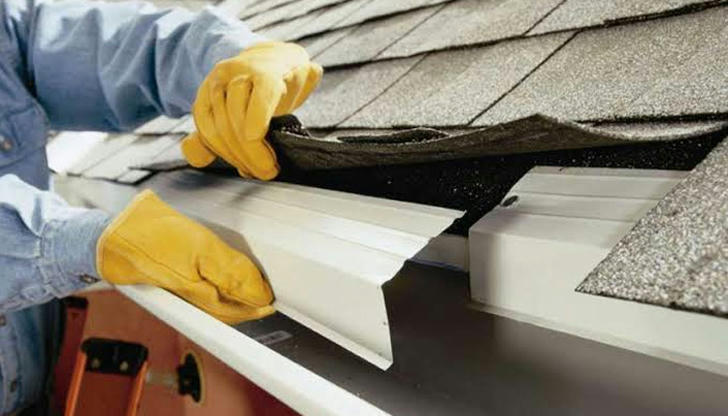
Start by looking at the parts of the roof you can see safely from the ground. Pay attention to missing or lifted shingles, damaged flashing, dark areas, and debris collecting around roof edges or valleys. You don't need to climb onto the roof to make this useful. Even a quick look can reveal something that wasn't there the last time you visited.
Flashing deserves extra attention because it helps direct water away from vulnerable joints and openings. If you notice loose material, visible gaps, or signs that water may be getting where it shouldn't, make a note of it. A small roof issue is much easier to deal with before it becomes a ceiling stain or damaged interior wood.
2. Gutters and Downspouts
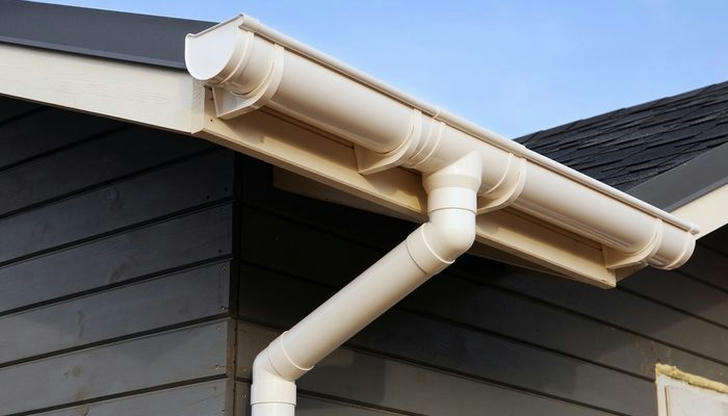
Take a quick look inside the gutters for leaves, pine needles, and other debris. Then check whether the gutters appear to sag or pull away from the cabin. Downspouts should also be connected and directing water away from the building rather than releasing it right beside the foundation.
A gutter can look fine from a distance and still cause trouble if water isn't moving properly. Overflowing water can soak siding, splash against lower walls, and keep the soil around the cabin unnecessarily wet. If you see staining below a gutter or water collecting near the cabin, don't ignore the drainage pattern.
3. Wood Siding and Log Walls
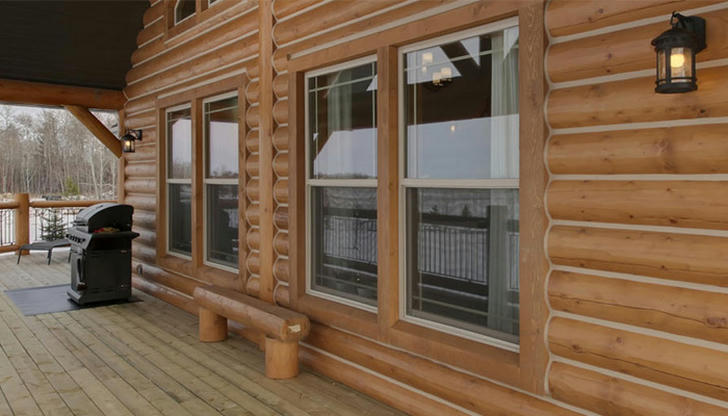
Cabin wood takes plenty of abuse from rain, snow, sun, and changing temperatures. Walk around the exterior and look for areas that are unusually dark, cracked, peeling, or visibly damp. Pay particular attention to lower sections of walls and places where wood stays close to the ground or receives little sunlight.
Not every discoloration means the wood is rotting, so don't panic over every dark spot. What matters more is a combination of changes, such as persistent moisture, soft areas, peeling finishes, or damage that seems to be spreading. Those signs deserve a closer inspection before the problem reaches deeper into the wood.
4. Window Sills and Door Frames
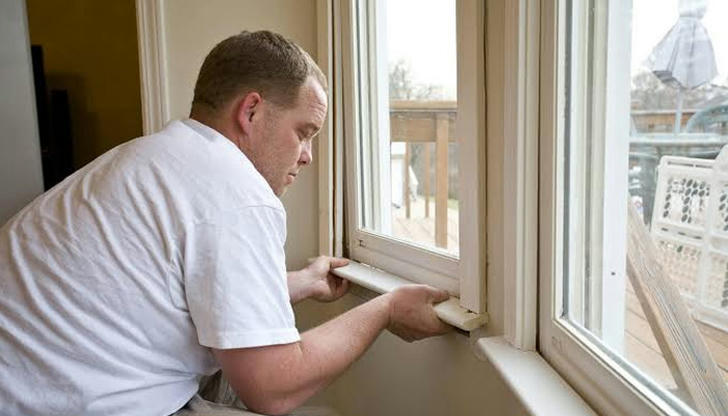
Windows and doors are easy to overlook because you use them every time you enter the cabin. Take a moment to look underneath window sills and around door frames for peeling finishes, cracked caulk, discoloration, soft wood, or water marks. The lower edges are especially worth checking because that's where moisture can collect.
A tiny gap around a frame may not look important, but repeated exposure to rain can make a small opening more troublesome over time. If you find damaged caulk or signs of moisture, don't simply cover it up with another layer. First figure out where the water is coming from and whether the surrounding wood has already been affected.
5. The Ground Around the Foundation
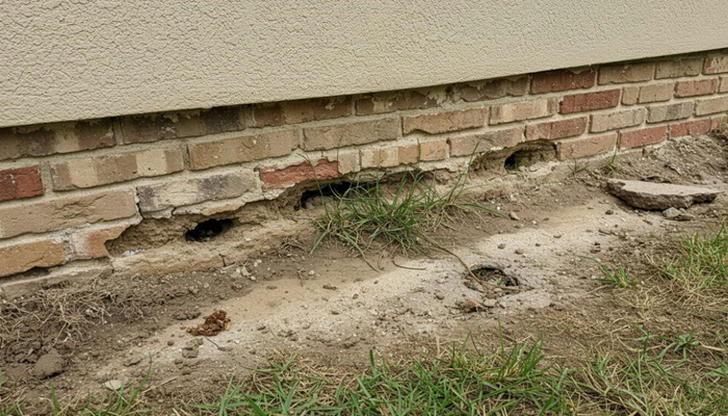
You don't have to be a foundation expert to check the ground around your cabin. Look for standing water, obvious erosion, soil piled against wood, or places where the ground appears to send water toward the building. After heavy rain, this area can tell you a lot about how well water is moving away from the cabin.
The important question is simple: Where does the water go? If it repeatedly collects beside the cabin, the problem may not be the foundation itself. Gutters, downspouts, grading, or drainage may be sending water to the wrong place. Catching that pattern early can help prevent a much bigger moisture problem later.
6. Deck, Porch, and Steps
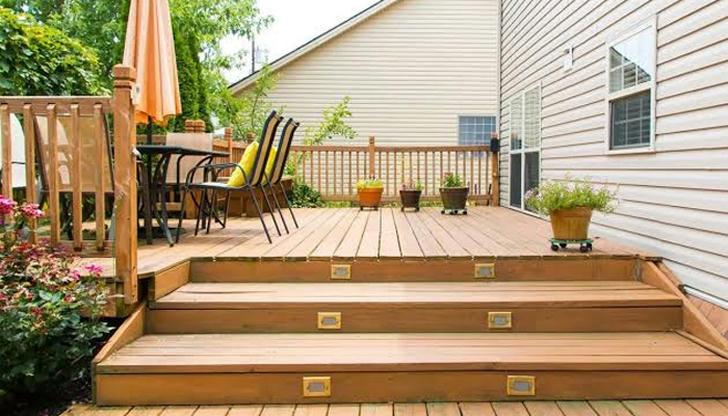
Give your deck and porch a quick visual once-over before settling in for the weekend. Look for cracked or soft boards, loose railings, wobbly steps, damaged fasteners, and areas where wood stays wet. Pay special attention to the places where the deck connects to the cabin and where water tends to collect.
Decks can deteriorate gradually, which makes small changes easy to overlook. A board that looks merely weathered may deserve more attention if it has become soft or spongy. The same goes for railings and stairs: if something moves when it shouldn't, don't wait for a busy weekend gathering to discover it.
7. Under the Cabin or Crawl Space
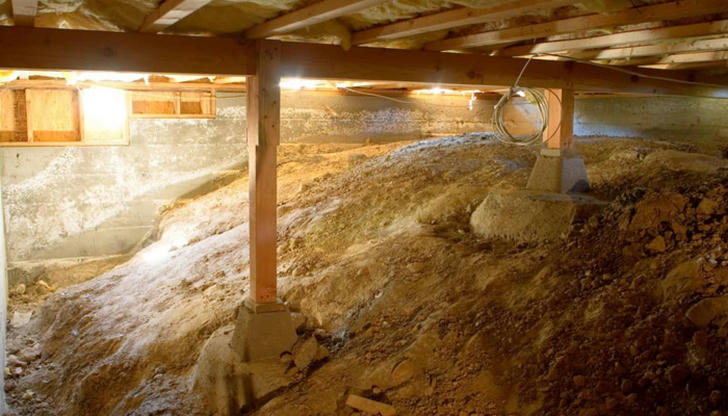
If your cabin has an accessible crawl space, take a quick look when conditions allow. You're mainly looking for obvious signs of moisture, standing water, wet insulation, damaged vapor barriers, musty conditions, or evidence that animals have moved in. You don't need to crawl into an unsafe or inaccessible area just to complete this check.
Problems underneath the cabin can stay hidden for a surprisingly long time because nobody sees them during normal visits. Moisture below the floor can eventually affect insulation, wood, and indoor comfort. If you notice persistent dampness or other unusual conditions, treat that as a reason for a closer inspection rather than simply airing the space out and forgetting about it.
8. Chimney and Fireplace Area

If your cabin has a chimney or fireplace, look at the visible exterior before the heating season gets busy. Check for obvious cracks, damaged masonry, a missing or damaged chimney cap, unusual staining, or debris around the top. Also look for signs that birds or other animals may have been using the chimney as a shelter.
A quick exterior check cannot tell you whether a chimney is safe to use. It can, however, help you notice changes that deserve professional attention. If you see significant damage, heavy buildup, or anything unusual inside the chimney or fireplace, have it properly evaluated before relying on it for heat.
9. Trees and Branches Around the Cabin
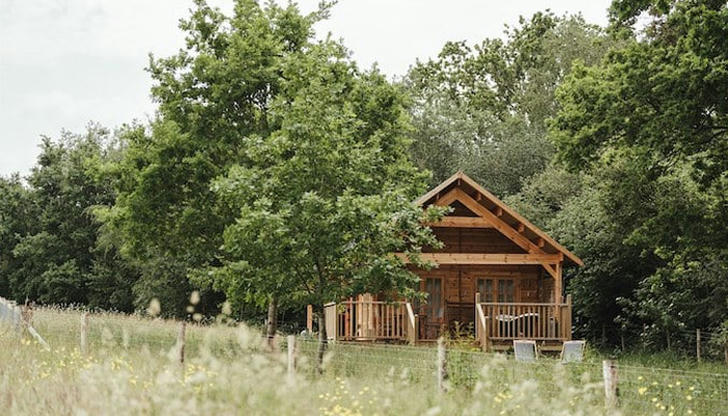
Step back from the cabin and look up. Check whether dead branches are hanging over the roof, trees are leaning toward the structure, or branches are rubbing against the roof or siding. Also pay attention to trees and branches near utility lines, where damage during a storm can create a much bigger problem.
Trees don't have to be falling to cause trouble. Repeated contact can damage roofing and siding, while weak branches can become a serious hazard during wind, ice, or heavy snow. You don't need to start cutting anything during your 10-minute inspection. Just identify anything that may need attention before the next major storm.
10. Exterior Vents, Pipes, and Utility Openings
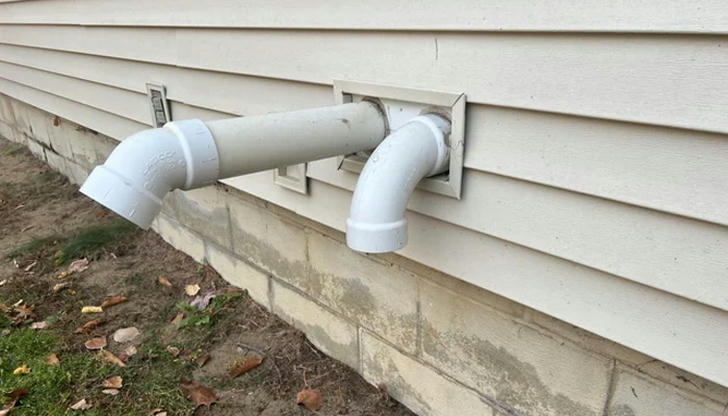
Finish your walk by checking the smaller openings around the cabin. Look at exterior vents, pipe penetrations, utility openings, and protective screens. Watch for blocked vents, missing covers, damaged screens, loose components, or gaps that could allow insects and rodents to get inside.
Be careful about sealing every opening you see. Some vents are there for a reason, and blocking them can create a different problem. The goal of this quick check is simply to spot damage or unexpected gaps and determine whether they need cleaning, repair, or a closer look.