
DIY Tools and Materials That Actually Work in Remote Locations
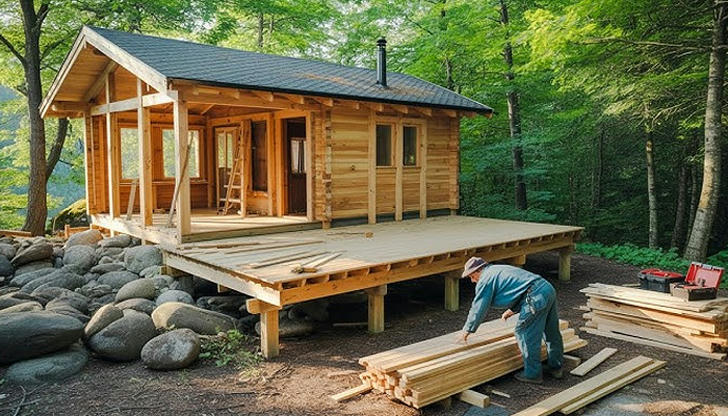
Maintaining a cabin in the middle of nowhere can feel like a full-time job---especially when the nearest hardware store is hours away. Most maintenance guides assume you live five minutes from a big box store, but if your cabin is tucked in the woods or perched on a mountainside, you need a different approach. The right tools and materials can save you time, money, and frustration while keeping your cabin in great shape year-round.
Here's a practical guide to the DIY tools and materials that actually work when you're off the grid---or at least far from the nearest hardware store.
1. Multi-Use Tools Are Your Best Friends

When you can't run down the road for a single-purpose tool, versatility is key. A few well-chosen multi-use tools can handle a surprising amount of cabin maintenance.
Cordless Drill with Multiple Bits: Not just for drilling holes. Swap out the bits for screw-driving, sanding, or even small grinding tasks. Choose one with a long-lasting battery or bring a solar charger if you're off-grid.
Adjustable Wrenches and Pliers: Instead of carrying a dozen different wrenches, a high-quality adjustable set can handle plumbing, furniture assembly, or even emergency repairs on machinery like your generator or water pump.
Folding Saw: Lightweight and portable, a folding saw can replace larger, bulkier saws for pruning, small timber cuts, or firewood prep.
Think "do more with less"---your back and storage space will thank you.
2. Stock Up on Long-Lasting, Multi-Purpose Materials
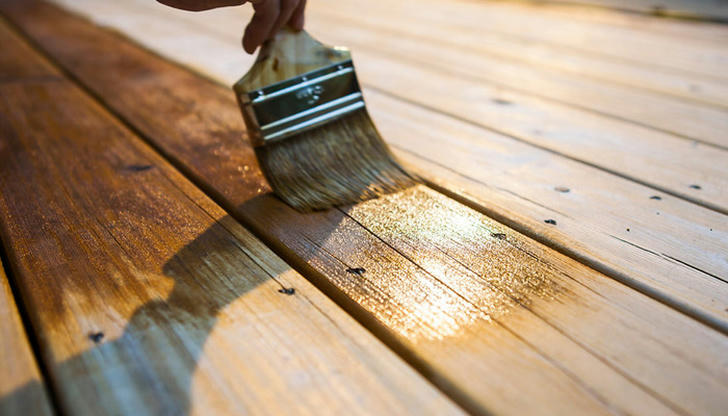
When you can't pop into a store for one tube of sealant, you need materials that last and can be used in multiple ways.
Silicone Sealant: Weatherproofing around windows, doors, or even plumbing leaks---silicone sticks around for years and can handle extreme temperatures.
Linseed Oil or Tung Oil: Ideal for protecting wood indoors and outdoors. They're natural, long-lasting, and perfect for everything from log walls to wooden furniture.
Multi-Surface Lubricants: Instead of several products for hinges, chains, or tools, one good lubricant keeps everything moving smoothly, from your gate latch to your snowblower.
Buy materials that are easy to store and won't spoil quickly, so you can tackle repairs whenever needed.
3. Portable Power Options Keep You Independent
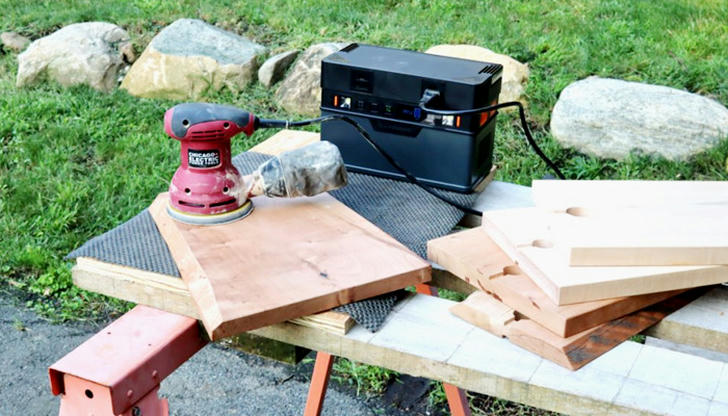
Remote cabins often mean limited electricity, so consider power solutions that are portable or low-wattage.
Battery-Powered Tools: Cordless drills, circular saws, and even portable sanders are game-changers when you have a solar panel setup or a generator with limited fuel.
Hand-Powered Tools: A good hand saw, brace and bit, or even a manual auger can get work done when batteries die or fuel runs low. They're slower, yes, but reliable.
Solar Chargers: Small panels or foldable kits can keep your batteries topped off for weeks. Combine them with rechargeable tool batteries, and you'll rarely be stuck without power.
Having multiple ways to power your tools ensures that a dead battery doesn't mean a dead project.
4. Portable Water and Plumbing Fixes
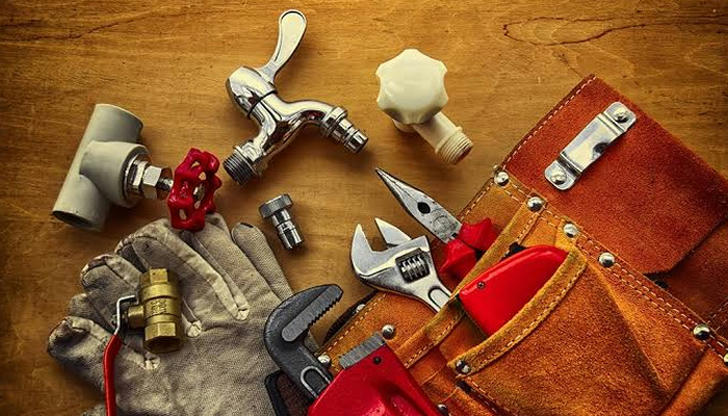
In remote cabins, plumbing problems can become emergencies fast. Keeping simple, effective tools and materials on hand is crucial.
Pipe Repair Tape: A flexible, waterproof tape can temporarily seal leaks on water pipes, hoses, or even small roof leaks until you can make a more permanent repair.
Compression Fittings: Instead of relying on specialty fittings, compression-style connectors can be used for quick fixes in plumbing lines without soldering.
Portable Water Test Kits: Even if you have a well, regular testing is critical. Catching a contamination issue early can save health problems down the road.
Small fixes done quickly prevent larger headaches when professional help is far away.
5. Weatherproofing Supplies You Can Store for Years
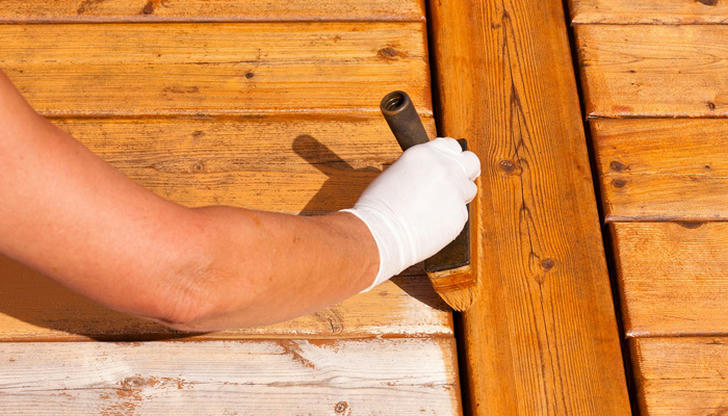
Remote cabins face extreme weather, from heavy snow and ice to blazing sun and storms. Some maintenance supplies last so long that you'll be glad you stocked up.
Exterior Wood Stain or Paint: High-quality, UV-resistant stains last for years and protect your logs from cracking or rot. Choose colors you like, because you'll only want to apply it every few years.
Roof Patch Materials: Flexible roof sealant, self-adhesive roofing patches, or even heavy-duty tarps can temporarily prevent leaks after storms.
Gutter Guards and Fasteners: Small investments prevent clogs that lead to water damage and wood rot, especially in remote locations where clearing gutters can be tough in winter.
Storing weatherproofing materials is a win-win: you're prepared for anything, and you save money over time.
6. Keep a "Cabin Repair Kit" Ready
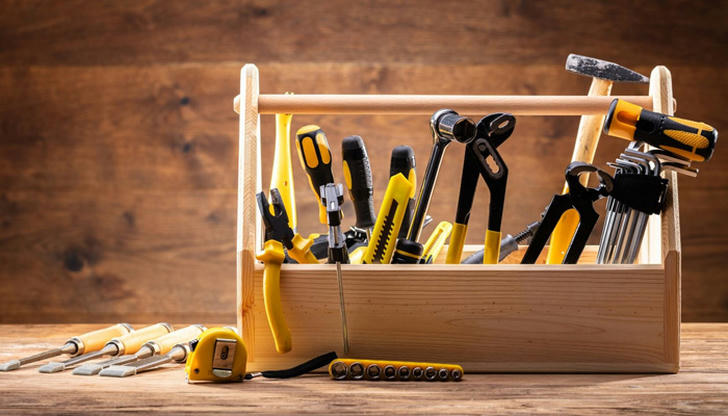
The key to successful maintenance in a remote cabin isn't just buying tools---it's organizing them for emergencies.
Include:
Multi-use tools (cordless drill, adjustable wrench, folding saw)
Sealants and oils for wood, metal, and plumbing
Fasteners, screws, nails, and extra fuses
Portable lighting (headlamps, battery lanterns)
Small first aid kit (yes, accidents happen)
A compact, well-stocked kit makes small repairs faster and keeps your cabin safe and functional, even in the middle of nowhere.
7. Plan, Prep, and Rotate Stock

Finally, even the best tools are useless if you forget them in storage or let batteries die. Schedule seasonal maintenance: charge batteries, check stored sealants for drying, and rotate supplies as needed. Treat it like a mini inventory---your future self will thank you when a storm hits and you're ready to tackle repairs without panicking.
Wrapping Up
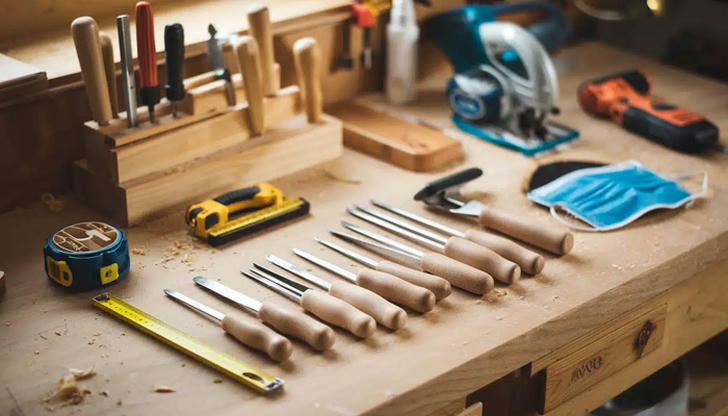
Maintaining a remote cabin doesn't have to be overwhelming. With the right multi-use tools, long-lasting materials, portable power, and an organized repair kit, you can handle most problems without relying on trips to the hardware store. Think ahead, stock wisely, and embrace DIY solutions that work when you're far from civilization. Your cabin will stay safe, sturdy, and comfortable for years---without ever stressing over "what if the store is closed?"