
How to Prevent Pests From Damaging Your Cabin Structure
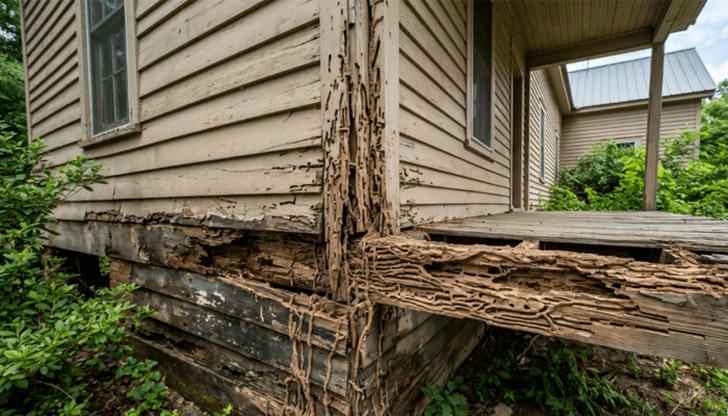
A cabin surrounded by nature offers peace and privacy, but the same environment can also attract insects and wildlife that threaten the structure. For wooden cabins especially, small pest problems can slowly turn into expensive repairs if they are ignored. Regular inspections, proper maintenance, and simple prevention steps can help protect your cabin for years.
1. Inspect Your Cabin Regularly
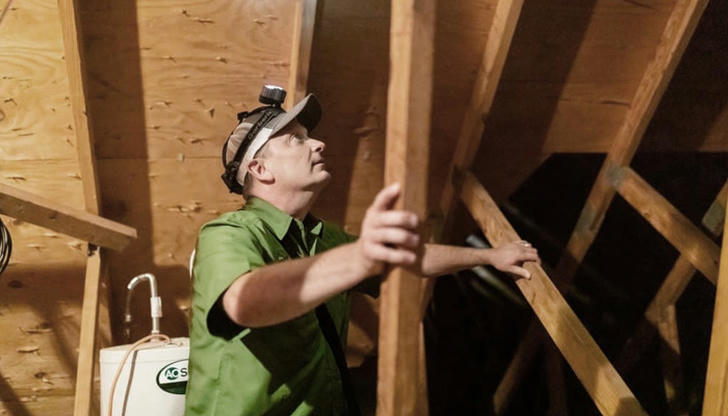
Regular inspections are one of the easiest ways to catch pest problems before they cause serious damage. Many infestations begin quietly, with small signs that are easy to overlook. Checking your cabin throughout the year helps you identify issues early and avoid costly repairs later.
Pay close attention to areas where pests commonly hide, including wooden walls, roof edges, window frames, doors, and spaces near the foundation. Small holes in wood, sawdust-like material near walls, damaged surfaces, or unusual sounds can all indicate possible pest activity. Seasonal inspections are especially important because different pests become active at different times. Checking your cabin after winter, before summer, and before colder months can help prevent small issues from becoming major structural problems.
2. Protect Wooden Structures
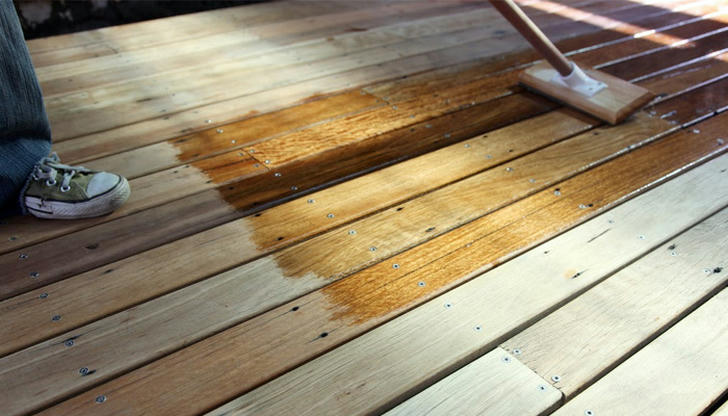
Wood is one of the main features that makes cabins beautiful, but it is also the material most vulnerable to certain pests. Insects such as termites, carpenter ants, and wood-boring beetles can slowly weaken wooden structures if they are left untreated.
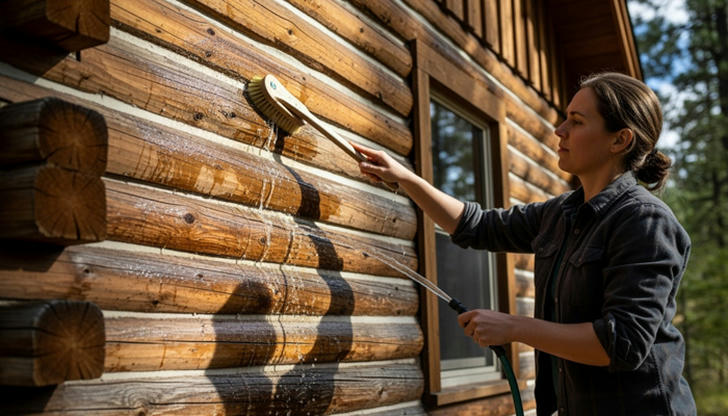
Protecting your cabin wood starts with keeping exterior surfaces sealed and maintained. Protective wood treatments can create a barrier against moisture and insects, while regular staining or sealing helps prevent damage from developing. Cracked or damaged boards should also be repaired quickly because small openings can become entry points for pests.
Key areas to focus on include:
- Exterior wooden walls and siding
- Support beams and exposed wood
- Decks and wooden steps
- Areas where wood touches the ground
Healthy, dry wood is much less attractive to damaging insects.
3. Seal Entry Points
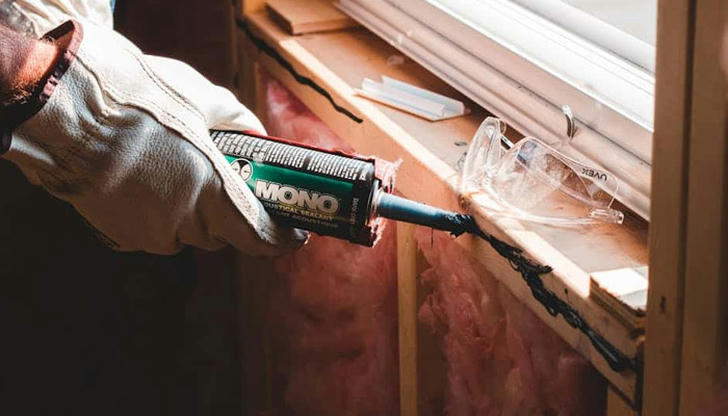
Many cabin pest problems begin because small openings allow insects and rodents to enter. A tiny gap around a window, door, pipe, or foundation area may seem insignificant, but it can provide easy access to the interior.
Inspect areas where different materials connect, such as window frames, roof edges, utility openings, and foundation walls. Sealing cracks with caulk, repairing damaged screens, and improving door seals can greatly reduce opportunities for pests to enter. Seasonal temperature changes can also cause wood to expand and contract, creating new gaps over time. Regularly checking these areas helps maintain a stronger barrier around your cabin.
4. Manage Outdoor Areas Around Your Cabin
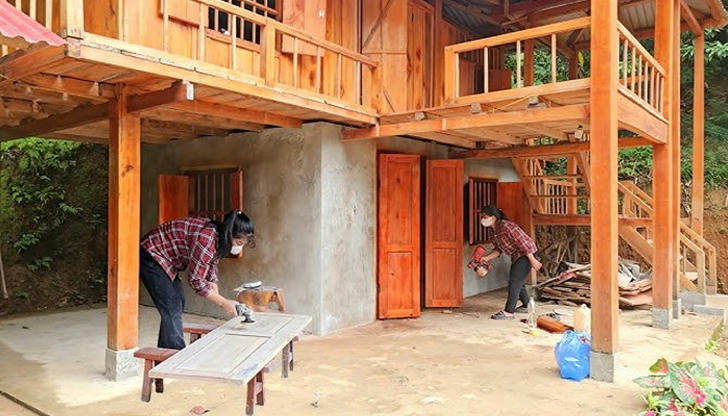
The environment surrounding your cabin plays a major role in pest prevention. Outdoor areas with excessive clutter, decaying materials, or poor maintenance can create ideal hiding places for insects and rodents.
Keeping firewood stored away from the cabin reduces the risk of attracting termites and carpenter ants. Fallen branches, dead plants, and old wood should also be removed because they provide shelter for pests. Maintaining space between vegetation and exterior walls can prevent insects and small animals from using plants as pathways into the cabin. Proper drainage around the property is equally important because standing water and damp areas create conditions where many pests are more likely to appear.
5. Prevent Moisture Problems

Moisture is one of the biggest factors that attracts pests and accelerates cabin damage. Damp wood creates an ideal environment for insects while also increasing the risk of structural deterioration.
Keeping your cabin dry requires regular maintenance. Cleaning gutters helps direct rainwater away from the building, while repairing roof leaks or plumbing issues prevents hidden moisture problems. Good airflow under the cabin and in crawl spaces can also reduce humidity buildup. When wood remains dry and properly protected, it becomes much less attractive to pests and better able to withstand long-term exposure.
6. Protect Food and Interior Spaces
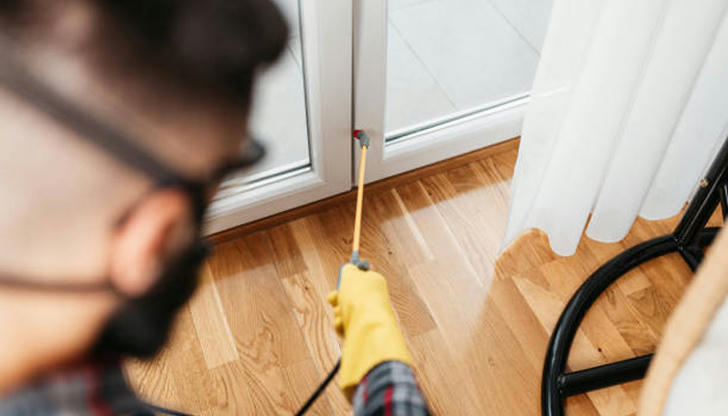
Not every pest problem begins outside. Food, clutter, and poor storage habits can attract insects and rodents into your cabin.
Keeping food in sealed containers prevents odors from attracting unwanted visitors, while cleaning crumbs and spills quickly reduces available food sources. Pet food should also be stored carefully because it can attract pests even when other food is limited. Organized storage areas make it easier to notice unusual activity, allowing homeowners to address problems before they spread.
7. Use Natural and Professional Pest Control Methods
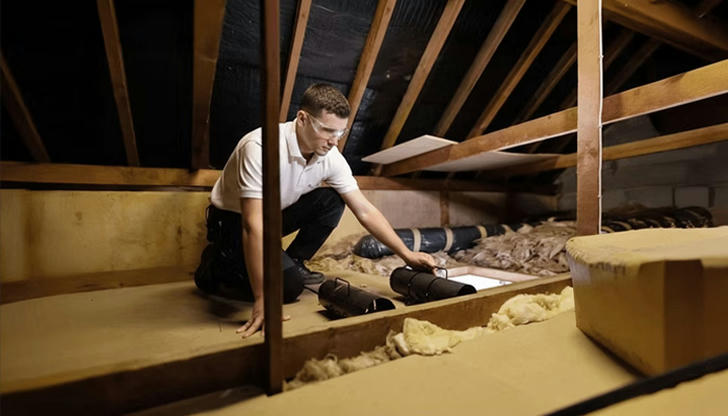
Many cabin owners prefer starting with natural prevention methods. Cedar products, plant-based repellents, and regular cleaning routines may help discourage certain pests from entering. These approaches can work well as part of regular maintenance, especially when combined with proper sealing and outdoor management.
However, some pest problems require professional attention. Termites, extensive wood damage, or repeated infestations may indicate a larger issue that basic prevention methods cannot solve. Professional pest control services can identify the source of the problem and provide treatments designed to protect the cabin structure. Addressing problems early is usually much easier and less expensive than repairing serious damage later.
8. Follow a Seasonal Pest Checklist
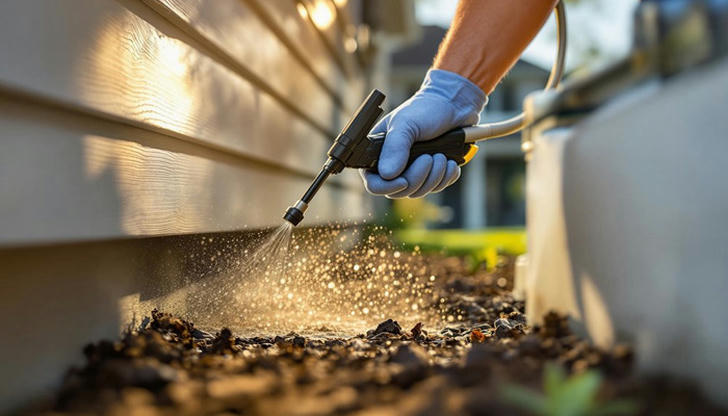
Pest prevention works best when it becomes part of a regular cabin care routine. Different seasons bring different challenges, so adjusting maintenance habits throughout the year can provide better protection.
Spring is a good time to check for winter damage and early insect activity. Summer inspections can help identify ants, beetles, and other active pests before they spread. Before colder months arrive, sealing openings and organizing outdoor materials can reduce the chance of rodents seeking shelter inside. Even during winter, occasional checks are useful because pests may still search for warm areas within the cabin.
Conclusion
Protecting a cabin from pests does not require complicated solutions, but it does require consistent attention. Regular inspections, wood protection, sealed entry points, moisture control, and proper outdoor maintenance all work together to reduce risks. By creating simple prevention habits, cabin owners can avoid expensive repairs and preserve the comfort, beauty, and durability of their retreat for many years.