
The Hidden Moisture Problem Most Cabin Owners Miss
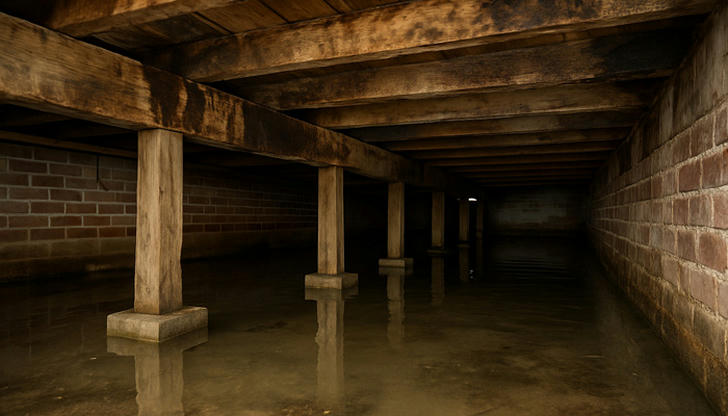
Cabins are built to handle the outdoors. Thick wood walls, exposed beams, and natural materials make them feel strong and long-lasting. But many cabin owners eventually discover a frustrating truth: the biggest threat to a cabin is often not storms or snow. It's moisture quietly building up where nobody is looking.
Hidden moisture problems can develop slowly and silently. By the time visible damage appears, the issue may have been growing for months---or even years. The good news is that most moisture problems can be prevented if you understand where moisture hides and what early warning signs to watch for.
Why Cabins Are More Vulnerable to Moisture
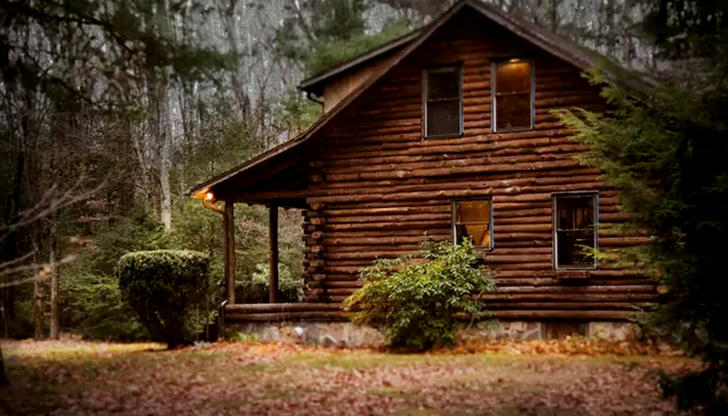
Cabins rely heavily on natural wood for both structure and appearance. Unlike brick or synthetic siding, wood naturally absorbs and releases moisture depending on the environment. This breathing effect helps wood adapt to weather changes, but it also means moisture can travel into areas that are difficult to see.
Many cabins are also located in forests, near lakes, or in mountain areas where humidity levels stay higher than in typical suburban neighborhoods. These locations are beautiful, but they often create conditions where damp air lingers around the structure for long periods of time.
Crawl Spaces: The Moisture Trap Under Your Feet
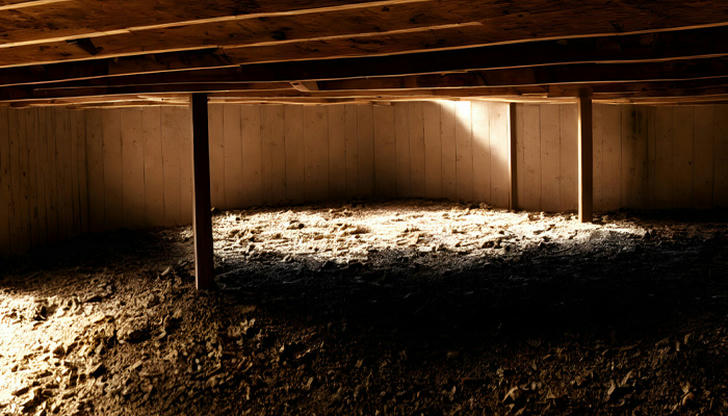
One of the most common places moisture collects is beneath the cabin. Many cabins sit on raised foundations with crawl spaces underneath, which means the area below the floor is exposed to ground moisture and outside humidity.
If airflow in this space is poor, damp air can become trapped. Over time, that moisture can affect floor joists, insulation, and subfloor materials. Many homeowners never check this space until a musty smell or sagging floor finally draws attention to the problem.
Behind Walls: Where Small Leaks Become Big Damage
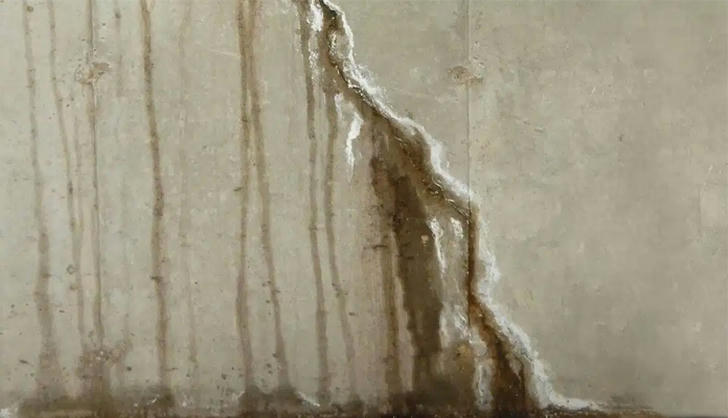
Moisture often enters a cabin through very small gaps around windows, siding seams, or roof edges. Once water gets inside the wall cavity, it may remain hidden for a long time while slowly affecting insulation and structural framing.
Because these areas are sealed behind drywall or wood panels, the damage spreads quietly. By the time paint starts bubbling or trim begins to warp, the moisture has usually been present for quite some time.
Under Cabin Flooring
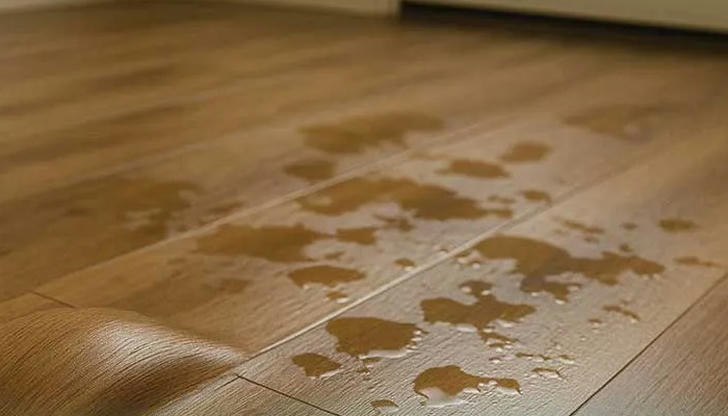
Flooring problems sometimes begin below the surface. Moisture rising from a crawl space or coming from a slow plumbing leak can gradually affect the wood layers beneath the floorboards.
At first, the changes may be subtle. A board might feel slightly soft when stepped on, or the floor may develop a faint creaking sound. These small signs are easy to ignore, but they often signal that moisture has already begun weakening the structure below.
Roof and Attic Areas
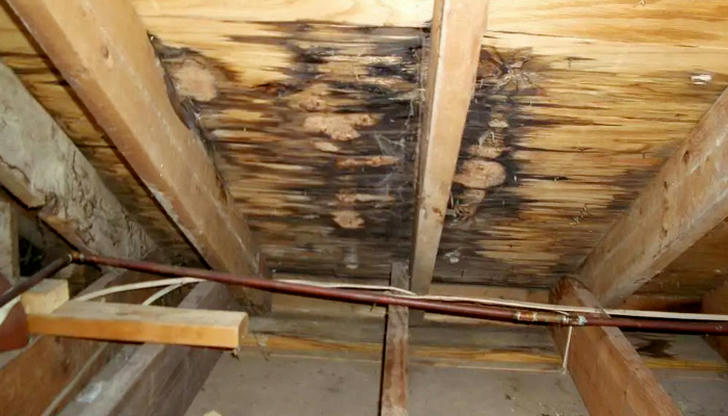
The roof is constantly exposed to rain, snow, falling leaves, and tree debris. Even a tiny gap in flashing or roofing materials can allow water to enter attic spaces where it collects in insulation or wooden framing.
Attics often hide these problems because people rarely inspect them closely. Moisture can remain trapped above the ceiling for long periods, slowly causing mold growth, wood discoloration, and reduced insulation performance.
Early Signs Cabin Owners Often Ignore
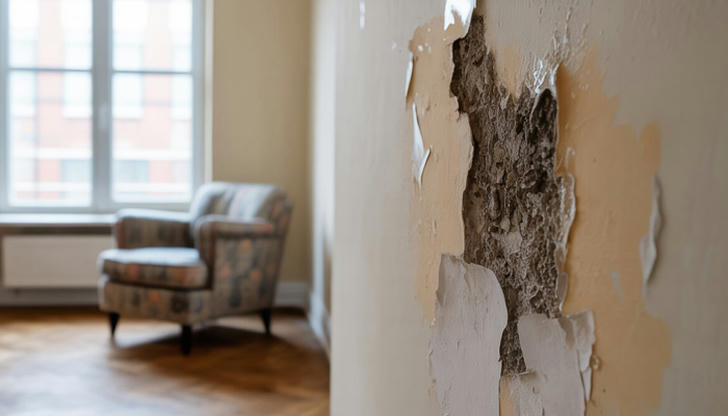
Hidden moisture usually sends subtle warnings before serious damage appears. Unfortunately, many cabin owners assume these signs are harmless and postpone checking them more closely.
A musty smell inside a closed cabin is one of the most common clues. Other early signals include frequent window condensation, small dark spots on wood surfaces, or exterior stain that begins peeling earlier than expected.
Simple Inspections That Catch Problems Early
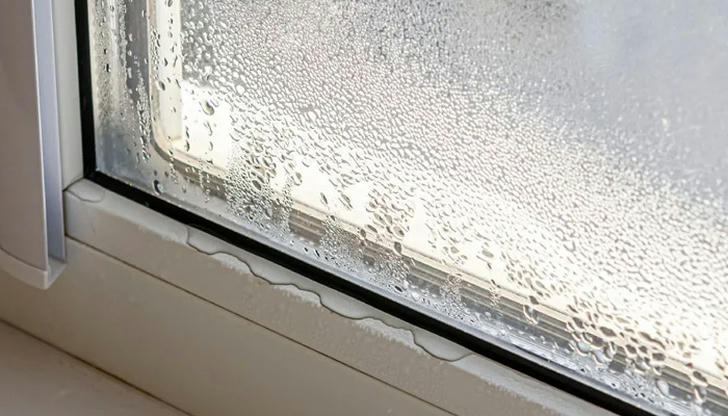
Regular inspections can prevent small moisture issues from becoming major repairs. A simple walk around the cabin each season often reveals early warning signs that might otherwise go unnoticed.
Look carefully at roof edges, siding seams, and window frames where water could enter. Spending just a few minutes checking these areas can help identify leaks or moisture buildup before they affect larger parts of the structure.
Practical Ways to Prevent Moisture Damage
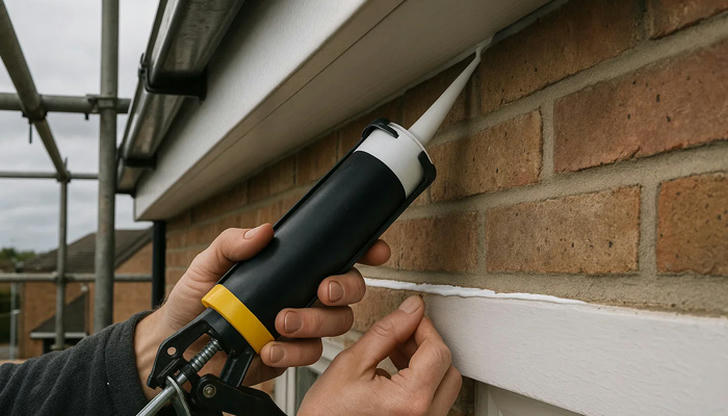
Good airflow is one of the most effective ways to control moisture around a cabin. Proper ventilation in crawl spaces and attic areas allows damp air to escape before it has time to settle into wooden structures.
Maintaining exterior sealing is equally important. Keeping gutters clear, maintaining caulking around windows, and ensuring water drains away from the foundation all help prevent moisture from finding its way inside the cabin.
Why Early Attention Matters

Moisture damage rarely improves on its own. Once wood begins absorbing excess moisture, conditions become ideal for mold growth and slow structural decay. What starts as a small damp area can eventually weaken beams, floors, or wall framing.
The encouraging news is that most moisture problems develop slowly. With routine inspections and basic maintenance, cabin owners can spot warning signs early and address them before the damage becomes expensive or complicated to repair.