
The Hidden Threats Your Fireplace or Wood Stove Can Cause to Your Cabin (If You're Not Paying Attention)
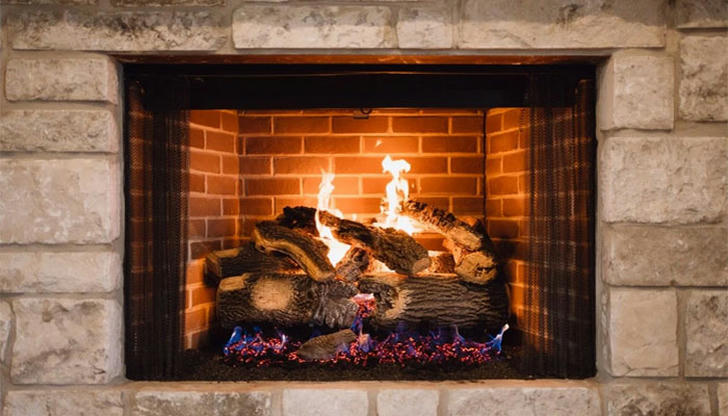
Nothing feels more "cabin" than a crackling fire on a cold night. It's cozy, it's nostalgic, and honestly, it's half the reason people buy a cabin in the first place.
But here's the part many owners don't realize: your fireplace or wood stove can quietly damage your cabin's structure for years before you notice anything is wrong.
And when you finally see the problem? It's usually expensive, urgent, and absolutely not the kind you fix with a weekend DIY run.
So let's break this down in a simple, everyday way---no contractor jargon, no fearmongering---just the real long-term risks and the habits that keep your cabin solid for decades.
1. Heat Damage: The "Slow Bake" Threat You Can't See
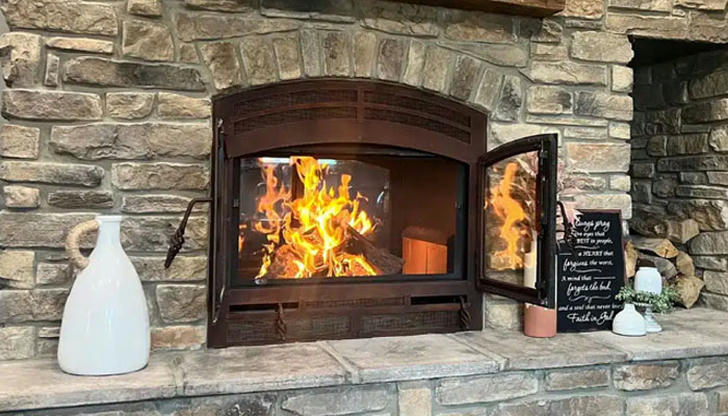
Fireplaces and wood stoves produce intense radiant heat, and if your cabin is like most, your walls are made of materials that don't love long-term exposure.
Wood can dry out, crack, and become increasingly brittle over time. Even if everything is "within code", daily winter use can still lead to:
Warped wall panels or trim
Dry, cracked logs in log cabins
Fading and discoloration of wood fibers
Loosened nails and fasteners
If your stove sits close to a wall---even with a heat shield---you're basically running a space heater on high a few feet from structural wood for months on end.
How to protect your cabin:
Keep a hand on the wall near your stove when it's running. If it feels hotter than "warm", you need an upgrade: thicker heat plate, improved spacing, or added insulation. Many cabins built 20--30 years ago simply weren't designed for modern, high-efficiency stoves that run hotter and longer.
2. Creosote Buildup: A Fire Hazard AND a Structural Killer
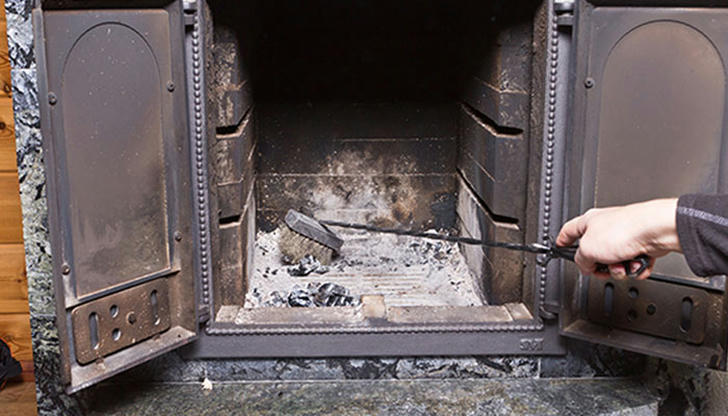
Most people know creosote is flammable. Fewer people know that creosote is also corrosive, and when trapped inside a poorly vented or older chimney, it can eat away at:
Chimney liners
Masonry joints
Metal flue components
Roof flashing
Tiny breaches in the chimney system let smoke and moisture leak into attic spaces, wall cavities, or roof structures.
You won't see it happening, but year by year it can cause:
Rotting roof decking
Mold inside insulation
Weakening of rafters
Blackened sheathing that eventually collapses
Quick reality check: A surprising number of cabin insurance claims come from hidden chimney leaks---not chimney fires.
What helps:
Have the chimney swept and inspected annually, but more importantly, ask the sweep to show you photos of the liner and roof penetration. You want proof of what's going on inside.
3. Moisture Damage From Combustion: The Silent Rotter
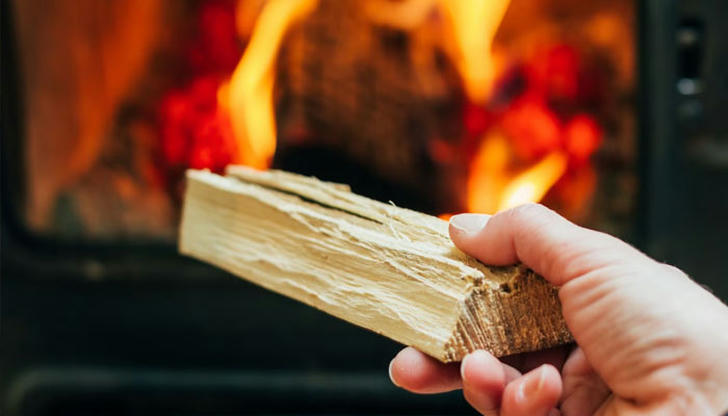
Burning wood releases moisture. Lots of moisture.
A tight, cozy cabin with modern weather-sealing may not ventilate that moisture well---especially if windows stay closed all winter.
Over months and years, this can lead to:
Condensation in rafters
Window frame swelling
Subtle mold growth behind furniture
Loose joints in tongue-and-groove ceilings
If you've ever seen a wood cabin with slightly "wavy" interior walls, that's usually years of seasonal moisture absorption and drying.
The cure is simple:
Run a heat-tolerant fan, crack a window occasionally, or install a small mechanical vent. Your cabin---and your lungs---will thank you.
4. The Foundation Surprise: Frost Heave + Wood Heat
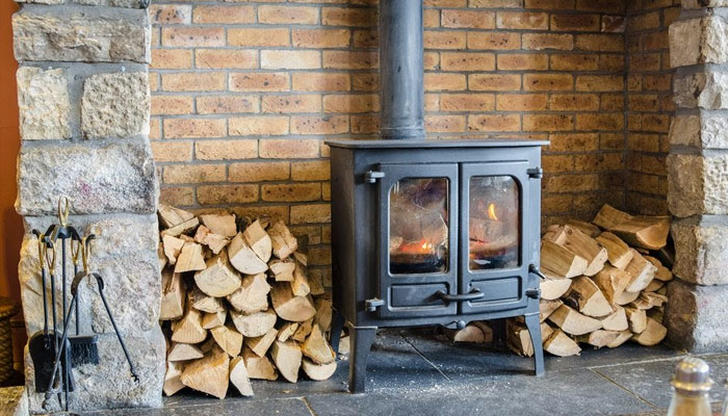
This one surprises a lot of people.
A frequently used wood stove heats the cabin interior more than the ground foundation area. That means your cabin warms from the top down, not bottom up.
Uneven ground temperatures can make frost heave worse around:
Pier foundations
Slab edges
Crawlspaces
Deck posts touching the cabin structure
If you've ever noticed:
A door that suddenly doesn't close
A window that "sticks" only in winter
A sloping floor near the stove room
Your stove might be indirectly causing it.
Mitigation:
Make sure your crawlspace or foundation perimeter is insulated, and don't block venting pathways that help equalize temperature.
5. Sparks, Ash, and Embers: The Daily Wear You Don't Think About
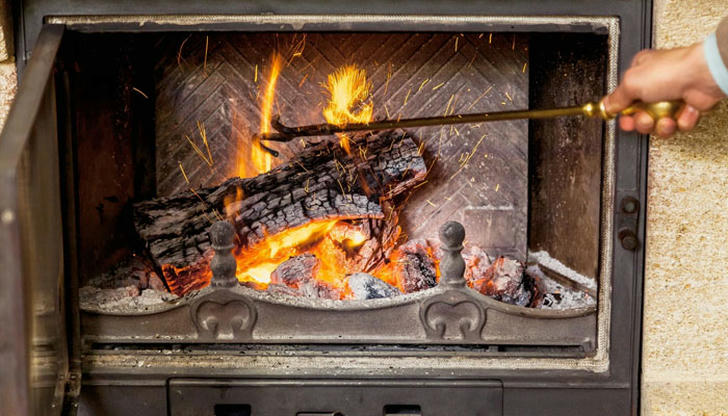
Not everything is catastrophic---sometimes it's just slow, annoying damage.
Embers popping out of fireplaces can scorch:
Rugs
Hardwood floors
Log surfaces
Cabin furniture
Even a stove door that's opened too quickly can spit out tiny sparks that, over time, leave dark spots and micro-burns.
Ash that drifts around the room works its way into wall cracks, floor gaps, or log joints, drawing in moisture and insects.
Tip that sounds obvious but few do:
Get a larger hearth pad than you think you need. The standard size is laughably too small for real-world winter use.
6. Roof Damage: The Hidden Exit Risks
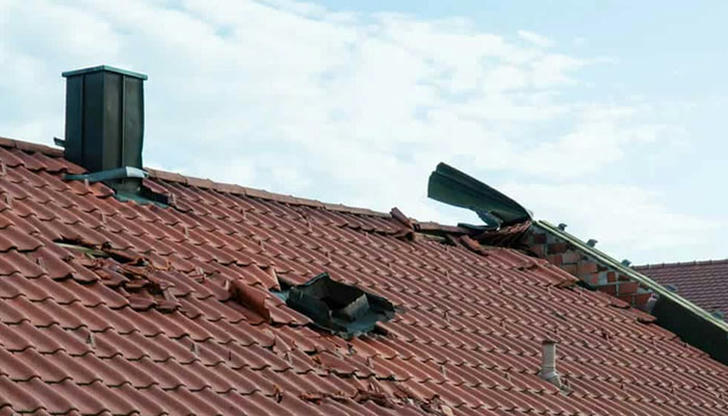
A fireplace or stove doesn't just affect what's inside---it affects everything above it.
Common long-term roof issues caused by wood heat include:
Rusting chimney caps
Warped flashing
Ice dams forming around the chimney stack
Snow melt channels that refreeze overnight
Warm air escaping around the chimney melts snow in weird patterns, and repeatedly refreezing can push water under shingles.
If you see icicles forming only on the chimney side of your roof, that's a red flag.
Prevention:
Re-seal the chimney flashing every 5 years.
Install an insulated chase around metal chimneys, especially in older cabins.
7. Cabin Settling Made Worse by Wood Heat
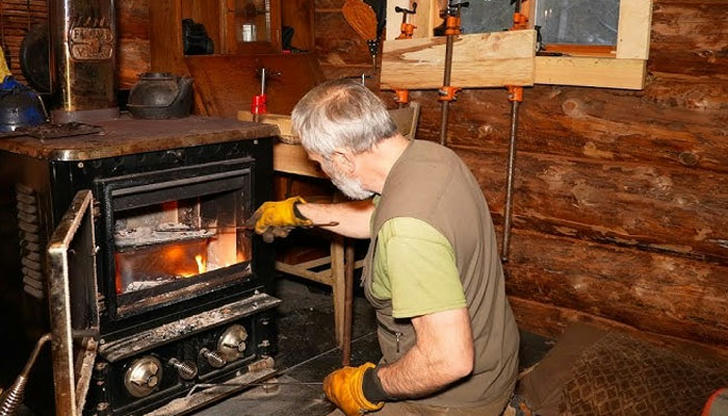
All cabins settle. Log cabins settle even more.
But long-term concentrated heat can dry the logs unevenly---upper logs stay stable while the ones near the stove shrink faster.
Over a decade, this can cause:
Gaps developing between logs
Doors/windows falling out of alignment
Cracks forming in corners
Chinking failure
Cold drafts you can't track down
If the warm corner of your cabin is shrinking faster than the cold corner, the frame literally twists over time.
What helps most:
Monitor log moisture yearly and re-chink before gaps appear, not after.
8. The Reality Check: Should You Stop Using Your Fireplace?
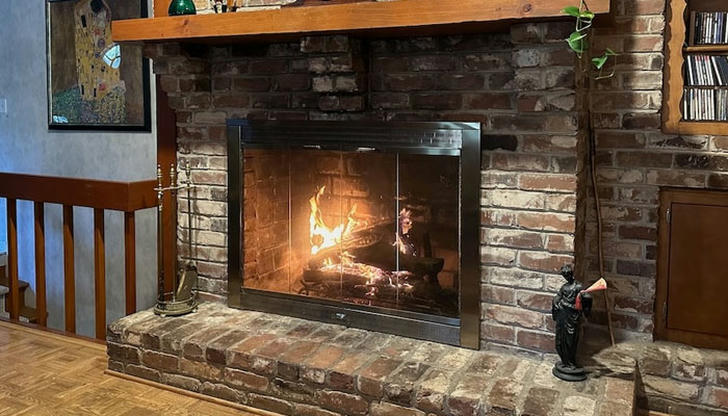
Absolutely not.
Cabins are meant to be lived in and enjoyed. Wood heat is a big part of that.
The goal isn't to scare you---it's to keep you from getting hit with a "$9,000 surprise repair" someday.
So here's the short version:
If you use your fireplace or stove regularly, check these every year:
Chimney liner & creosote level
Heat damage on nearby walls
Roof flashing & chimney cap
Moisture or mold in upper corners
Log gaps or shrinking near the stove
Foundation shifts during winter
Hearth pad size and flooring protection
A cabin should last 50--100 years easily.
But it will only do that if you treat your fireplace or stove as part of the structure, not just a cozy accessory.