
Using Landscaping to Shield Your Cabin from Extreme Weather
Owning a cabin in a remote or rural area comes with its own set of challenges. Most cabin owners focus on obvious maintenance tasks---checking the roof, sealing gaps, and winterizing plumbing---but often overlook a powerful and natural line of defense: landscaping. Strategically placed trees, shrubs, and berms can act as a protective barrier against wind, sun, rain, and snow. With careful planning, your landscaping can save you money, reduce maintenance, and even make your cabin more comfortable throughout the year.
This guide explores how to harness the natural elements around your cabin to create long-lasting protection while enhancing its beauty.
1. Understanding Your Cabin's Microclimate
Before planting a single tree, it's essential to understand your cabin's environment. Factors like prevailing winds, sun exposure, rainfall patterns, and local terrain significantly affect the stress your cabin faces.
Take time to observe your property: note where snow drifts, heavy rain puddles, or sun-soaked walls occur. Are certain areas shaded most of the day while others bake under the afternoon sun? Understanding these patterns will help you decide what type of landscaping can be most effective. For example, a cabin exposed to strong winter winds from the north will benefit from dense evergreen trees on that side, while south-facing walls might need shade trees to protect wood and siding from sun damage.
2. Trees as Windbreaks and Sun Shields
Trees are one of the most powerful tools in a cabin owner's arsenal. Properly placed trees can reduce wind speed by up to 50% and act as natural shields against harsh weather.
When selecting trees, consider both species and placement. Evergreens are ideal for year-round wind protection, while deciduous trees can provide summer shade and allow sunlight through in winter. Plant trees at a reasonable distance from the cabin---usually about 15--30 feet away---to prevent roots from damaging foundations and to allow for proper air circulation.
Windbreaks are most effective when planted in multiple staggered rows rather than a single line, creating a dense barrier that slows wind gradually. For sun protection, position trees to shade south- and west-facing walls where wood siding and decks are most vulnerable to UV damage.
3. Shrubs and Bushes for Moisture and Erosion Control
Shrubs and bushes may seem secondary to trees, but they play a vital role in protecting your cabin's foundation. Dense shrubs close to the cabin help reduce splash-back from rain, keeping siding cleaner and preventing water from pooling near the foundation. They also reduce soil erosion, particularly on slopes or in areas with heavy rainfall.
Choose native shrubs that thrive in your region with minimal maintenance. Layered planting works best: low groundcover near the foundation, medium-height shrubs just beyond, and taller shrubs or small trees further out. This approach creates a natural buffer against weather while adding texture and depth to your landscape.
4. Berms and Natural Barriers
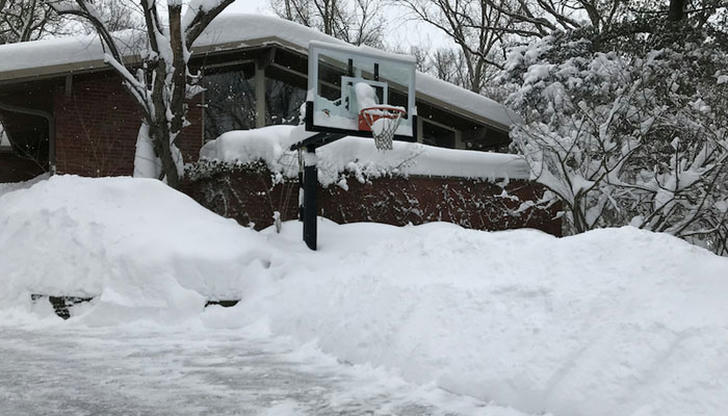
Berms---raised mounds of soil---are often overlooked but extremely effective at controlling water flow and snow accumulation. By strategically placing berms, you can divert rainwater away from your cabin's foundation, reducing the risk of flooding and basement moisture problems.
Berms can also be combined with groundcover plants or small shrubs to prevent erosion and stabilize the soil. In winter, berms act as natural snow traps, keeping drifts away from entrances, decks, and walkways. For cabins in snowy regions, this can reduce the frequency of shoveling and ice buildup near critical access points.
5. Landscaping for Winter Protection
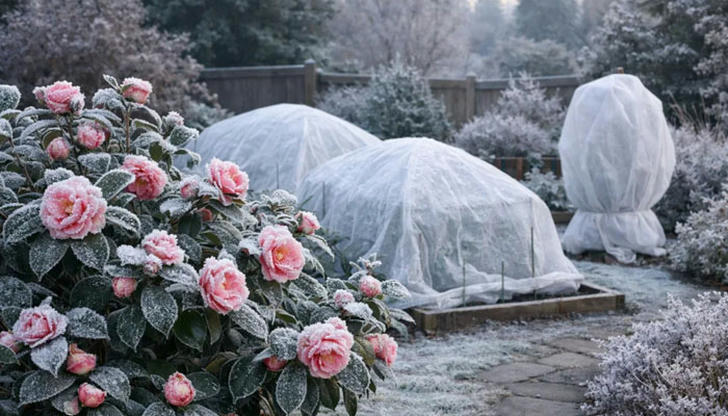
Winter presents unique challenges for cabin owners. Snow drifts, icy winds, and frozen pathways can cause damage and make your cabin less accessible. Proper landscaping can mitigate these issues naturally.
Evergreen trees or dense shrubs act as windbreaks, reducing the intensity of icy winds hitting doors and windows. Berms and terraces help manage snow accumulation, directing it away from vulnerable areas. By observing wind patterns and snow paths, you can plant protective screens that reduce winter hazards while improving the overall winter landscape.
6. Summer Protection and UV Defense
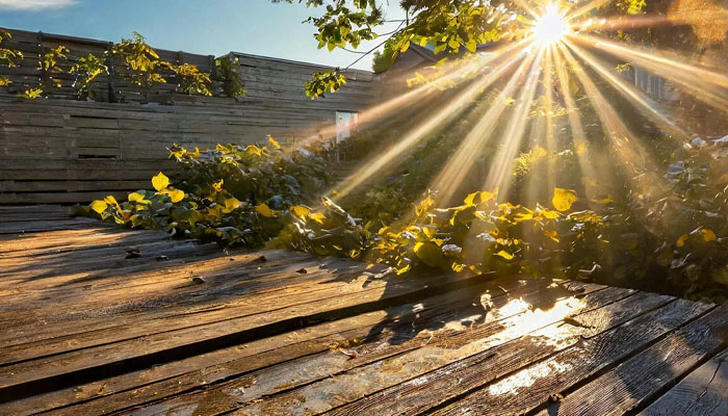
Summer brings a different set of threats. UV rays can fade paint, dry out wood, and crack decks. Trees strategically planted on south- and west-facing walls provide natural shade, keeping the cabin cooler and reducing heat stress on wooden surfaces.
Shading the cabin not only protects materials but can also reduce cooling costs in cabins with air conditioning or fans. Flowering trees and shrubs provide both aesthetic appeal and practical sun protection, combining functionality with natural beauty.
7. Low-Maintenance Strategies for Remote Cabins
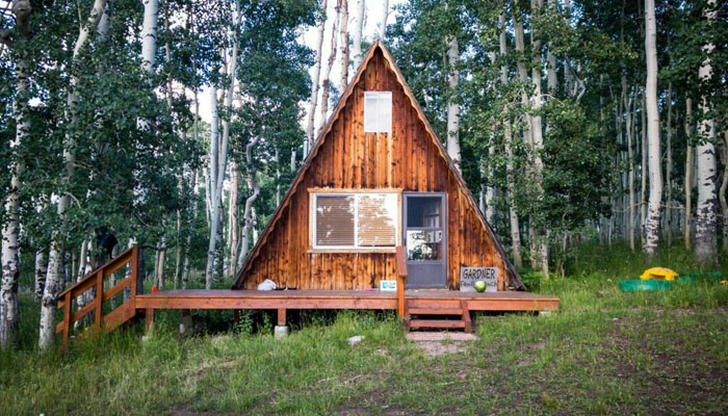
Many cabins are not occupied year-round, which makes low-maintenance landscaping a priority. Choose resilient, native plants that can survive long periods without water. Groundcover plants like creeping juniper or mosses can reduce soil erosion and require minimal care.
Mulches, rock beds, and strategically planted shrubs help retain soil moisture, prevent weeds, and maintain a tidy appearance without constant upkeep. By planning with longevity and resilience in mind, your landscaping continues protecting your cabin even when you're away.
8. Combining Function and Aesthetics
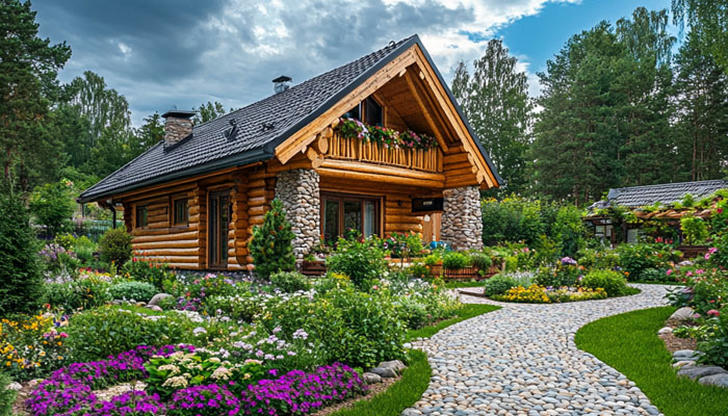
Protective landscaping doesn't have to be purely utilitarian. By carefully selecting plants and arranging layers, you can create a natural, welcoming environment around your cabin. Consider seasonal colors, flowering shrubs, and wildlife-friendly plants that attract birds and pollinators.
Keep paths, views, and outdoor spaces functional by planning around high-traffic areas. With the right balance, your landscaping becomes both a shield and an enhancement, increasing property value and creating an inviting retreat.
Conclusion
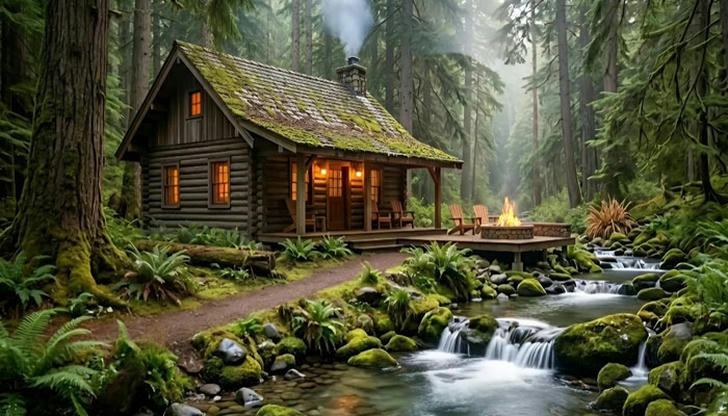
Your cabin's surroundings are more than just scenery---they can be powerful natural defenders against the elements. Trees, shrubs, and berms, thoughtfully planned and placed, reduce maintenance, protect wood and siding, manage snow and water, and enhance comfort throughout the year. By observing your microclimate, choosing the right plants, and designing with function and beauty in mind, you can create a landscape that shields your cabin naturally while adding lasting charm.
Start planning your cabin's natural defenses today, and enjoy a safer, more resilient retreat for years to come.