
Cabin Layouts That Actually Work (and the Ones That Don't)
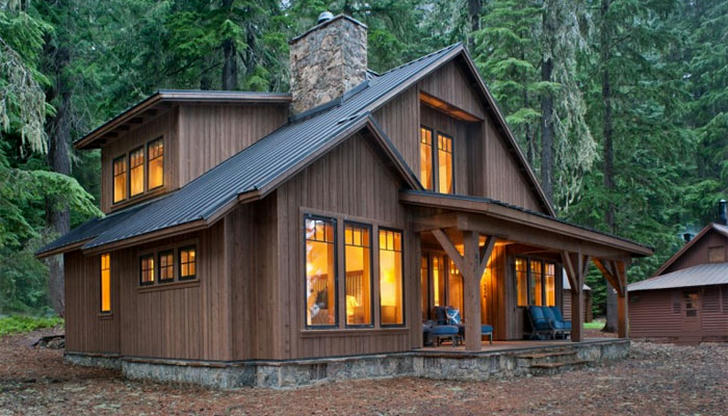
A cabin may serve as a quiet retreat, a family gathering place, or a base for days spent hiking and swimming. Its layout should reflect that routine. Good layouts make everyday scenes feel simple, while poor ones turn small spaces into daily frustrations. Here are the cabin layouts that actually work -- and the ones that don't.
1. Open Plans Need Clear Zones
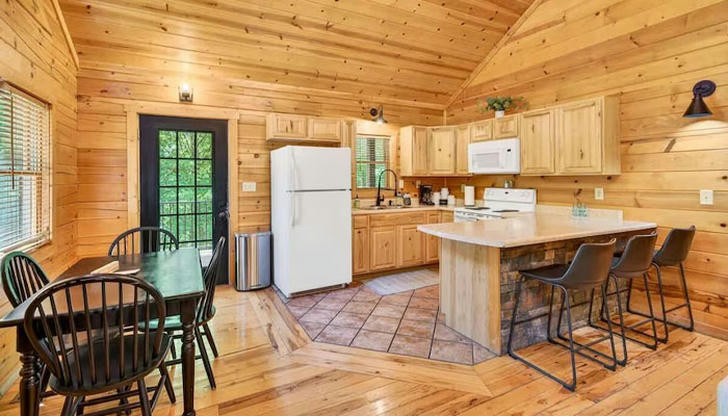
An open living, dining, and kitchen area can make a small cabin feel bright and spacious. It gives people room to talk while someone cooks and helps daylight travel through the home. The layout works best when each activity has its own spot: a sofa facing the fireplace, a dining table near the kitchen, and a clear route between them. A rug, pendant light, or change in furniture placement can define these areas without adding walls.
The layout starts to fail when "open" means that everything is in the way of everything else. A dining chair may block the path to the refrigerator, or a sofa may sit too close to the stove. Before choosing furniture, picture a normal day and trace the routes people will take. Leave enough room to pass behind chairs and carry food from the kitchen to the table. A little separation makes the shared space feel more comfortable, not less connected.
2. A Small Kitchen Still Needs Room to Work
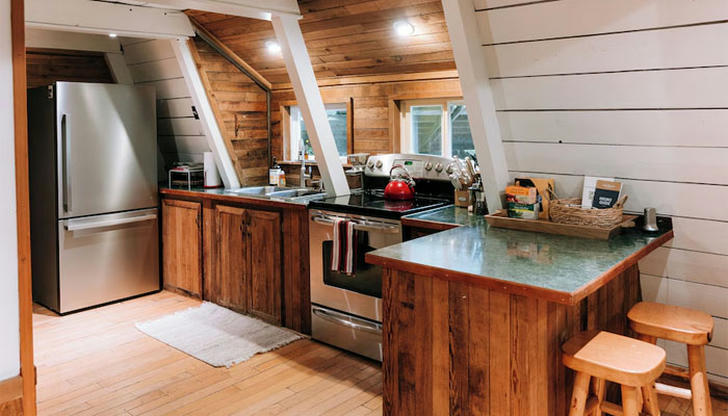
Cabin kitchens are often compact, but they can still handle real meals. The key is keeping the basics close together: the refrigerator, sink, and cooktop should be easy to reach without crossing the room repeatedly. A stretch of uninterrupted counter space is especially useful for preparing food. Drawers for utensils, shelves for dishes, and hooks for mugs can make a modest kitchen feel organized and ready to use.
A kitchen becomes frustrating when storage takes priority over working space. Cabinets that are too deep can hide supplies, while decorative shelves may leave nowhere to put everyday dishes. A large island can also be a poor fit if people have to squeeze around it. In a narrow cabin, a small table or movable cart may be more useful. The best kitchen is the one where two people can prepare a simple meal without bumping elbows or searching through every cupboard.
3. Give the Entryway a Job
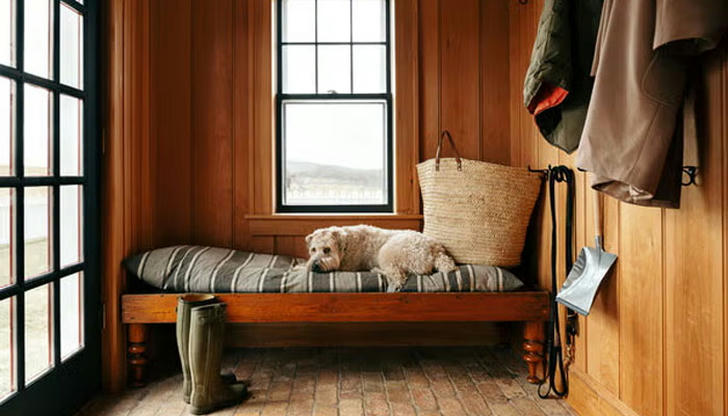
An entryway earns its space quickly in a cabin. Visitors often arrive carrying coats, backpacks, groceries, and boots from outside. A bench gives people somewhere to sit while changing shoes, while a row of hooks keeps jackets off the floor. A boot tray can catch wet dirt and snow before they reach the living area. Even a small landing beside the door can make arrivals feel calmer.
Without a practical entry spot, outdoor gear spreads into the rest of the cabin. Boots end up beside the sofa, coats pile on dining chairs, and bags narrow the hallway. A beautiful front door won't solve that problem if there's nowhere to put things when you come inside. If space is tight, use the wall: a few hooks, a narrow shelf, and a compact shoe rack can create a useful drop zone without taking over the room.
4. Put Bedrooms Somewhere Quiet
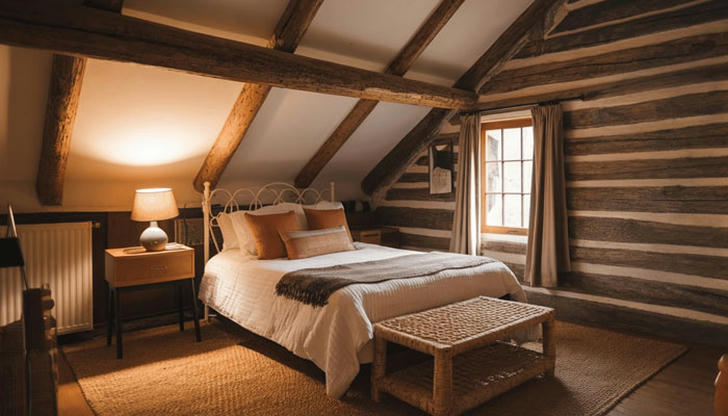
A cabin bedroom should feel like a place to rest, not a shortcut to the bathroom or living room. Whenever possible, keep beds away from the main entrance and the busiest shared areas. In a two-bedroom layout, placing the rooms on opposite sides of the cabin can give guests more privacy. Windows are lovely, but the bed should also have enough space around it for people to get in and out without sidestepping furniture.
A layout that looks efficient on a floor plan may be tiring in practice. A bedroom that opens directly onto the dining area can feel exposed, especially when some guests wake earlier than others. Loft bedrooms can save floor space, but steep ladders and low ceilings may not suit everyone. Think about who will use the cabin and how they'll move through it at night. Easy access, privacy, and a little room to unpack often matter more than squeezing in another sleeping spot.
5. Make the Bathroom Easy to Reach
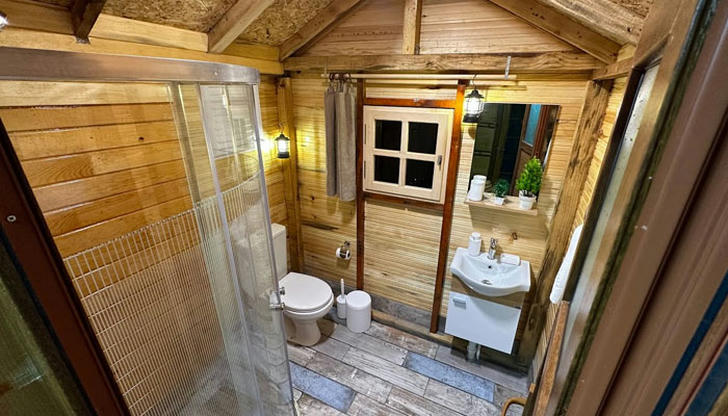
A bathroom works well when guests can find and reach it without walking through someone else's bedroom. In a small cabin, that usually means placing it near the shared living area while giving the door enough privacy. Good lighting, hooks for towels, and a shelf for toiletries make a small bathroom more comfortable. If several people share the space, a separate sink area can help one person get ready while another uses the shower.
6. Let Windows and Furniture Work Together
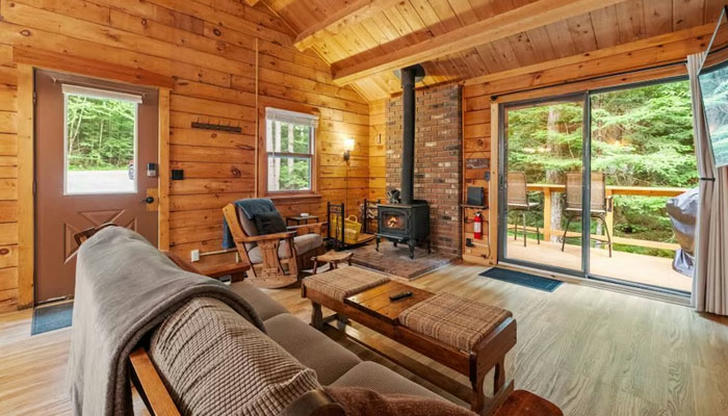
Windows help a cabin feel connected to its surroundings. A reading chair beside a window, or a dining table with a view, can make the room feel special without adding much. When arranging furniture, keep the view visible from the places where people naturally sit. Also consider where the sun falls during the day: a sunny corner may be pleasant for breakfast but too warm for afternoon naps.
A common mistake is choosing furniture first and treating the windows as an afterthought. Tall cupboards can block natural light, while a television placed in the best viewing spot may compete with the scenery. Large pieces can also make a small room feel crowded if they sit directly in the main walkway. Measure the cabin and the furniture before moving in, then leave the best sightlines and walking paths open.
7. Design for the Cabin You'll Actually Use
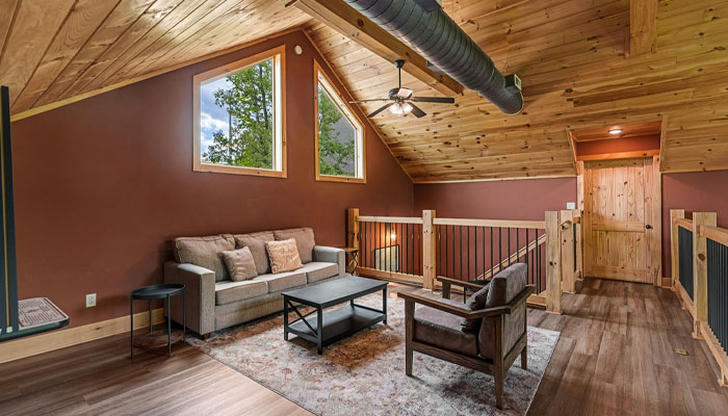
A cabin may serve as a quiet retreat, a family gathering place, or a base for days spent hiking and swimming. Its layout should reflect that routine. If people cook together, prioritize a roomy kitchen and a table that fits everyone. If outdoor trips are the main attraction, make the entryway and laundry area easy to use. A flexible room with a sofa bed can help, but only if it doesn't have to double as a storage room every day.
Layouts work poorly when they're designed around an idealized picture of cabin life. A tiny kitchen may look neat until a family tries to prepare breakfast. A loft may seem cozy until someone needs to carry a suitcase up a ladder. Before committing to a plan, imagine an ordinary morning, a rainy afternoon indoors, and the moment everyone returns with wet shoes. When those everyday scenes feel simple, the cabin layout is probably doing its job.