
Micro-Location Matters: How 200 Feet Can Change Your Entire Trip
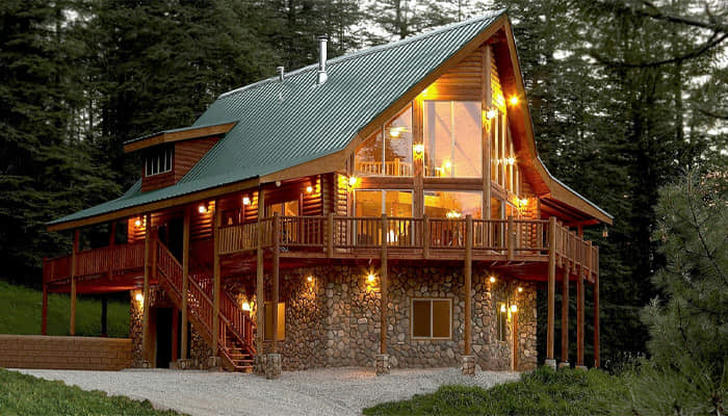
When most people book a cabin, they focus on the big things: number of bedrooms, pretty photos, hot tub, mountain view. But here's the truth no one talks about---the exact spot where your cabin sits, sometimes just a couple hundred feet up or down the road, can completely change your experience.
Seriously. We're talking about different temperatures, different bugs, different noise levels, even different smells. Micro-location is the secret behind why one guest leaves a five-star review and the next says, "Eh, it wasn't what I expected."
If you want to book smarter, sleep better, and avoid the "this isn't like the listing" disappointment, here's the insider guide no one ever teaches you.
1. Elevation: 200 Feet Up Can Feel Like a Different Climate

Mountains look calm and peaceful, but temperatures change fast. A cabin just a bit higher on a hill can be noticeably cooler---perfect in the summer, shivery in early spring.
What changes with just 200--300 feet of elevation?
- Temperature: 1--3°F cooler
- Snow accumulation: higher spots get snow that lower cabins won't
- Fog and cloud cover: higher cabins may sit inside the morning fog
- Driveway safety: steep, icy, or impossible without AWD in winter
So if you like morning sun and quick snow melt, look for lower-slope cabins.
But if you want cooler air and dramatic views, upper-slope cabins are worth it.
Tip: Ask the host if the driveway is south-facing (melts faster) or north-facing (stays icy longer).
2. Sun Exposure: The Hidden Factor That Changes Everything

Cabin photos almost never tell you one crucial detail: where the sun actually hits.
Micro-location determines:
- How warm your deck feels in the morning
- Whether your bedroom gets blasted by sunrise at 5:30 a.m.
- Whether snow melts or sticks
- How quickly your cabin cools at night
- How usable your outdoor space is
For example, a cabin facing east feels cozy and warm early but cools down by late afternoon. A cabin facing west often has those golden-hour photos---but can feel like an oven at 4 p.m. in July.
If you're planning a winter trip, choose south-facing cabins for natural warmth.
If you're planning a summer escape, north-facing or shaded cabins stay naturally cooler.
3. Wind Direction: The Reason Some Cabins Feel "Noisy" at Night

Here's something almost no traveler thinks about: wind amplifies sound. The same location, same road, same forest---yet one cabin feels peaceful while another sounds like it's in a wind tunnel.
A slight shift in micro-location---being tucked behind a hill, sitting on the exposed side of a ridge, or facing the wrong direction---can change:
- Howling wind sounds
- Chimney drafts
- Temperature drops at night
- Even how strong a campfire burns
If reviews mention "wind," "drafty," or "loud at night," pay attention. The cabin's exact placement is doing that.
Hosts rarely list this, so rely on topographic maps or look at satellite views for exposed ridgelines.
4. Water Proximity: Beautiful... but Sometimes Bug Heaven

Yes, rivers, lakes, and ponds are gorgeous---but micro-location determines whether they enhance your trip or ruin your evenings.
A cabin 200 feet closer to water might mean:
- More mosquitoes
- More morning fog
- More humidity inside
- Slick walking paths
- More wildlife visitors (cute... and sometimes not cute)
A cabin 200 feet farther, even slightly uphill, often gets the beauty without the bugs.
If you're traveling in summer, check:
- Reviews mentioning "mosquitoes," "damp," or "musty smells"
- Whether the cabin sits in a low bowl where moisture gathers
Proximity is good---but absolute lakeside isn't always necessary.
5. Road Positioning: Noise, Privacy, and Safety All Change Within a Few Yards

Two cabins on the same road can feel completely different depending on whether they're:
- Next to a curve (cars accelerate/decelerate)
- Near a blind hill (engine noise)
- Close to the main access road
- Sitting in a "low pocket" where sound collects
- Near parking or walking paths shared by other rentals
Even the best-looking cabin can feel less private if it's just slightly too close to traffic or neighboring decks.
When browsing photos, look for clues:
- Are other cabins visible in any direction?
- Is the road gravel (usually quieter) or paved (faster cars)?
- Are there shared amenities that draw foot traffic?
Micro-location is the difference between "peaceful hideaway" and "I can hear a random pickup truck every 15 minutes."
6. Shade vs. Sun: Your Deck Experience Depends on This

You know those Instagram cabin decks with morning coffee photos? They depend heavily on micro-location.
Deck experience changes with:
- Orientation (north = cool, south = warm)
- Tree coverage (great in summer, chilly in winter)
- Slope angle (wind and sunlight changes)
A cabin 200 feet up the hill might have full sun and sweeping views.
A cabin 200 feet down may sit in cool shade all day.
Both are great---just match to your goal:
- Winter travelers: choose more sun
- Summer travelers: choose more shade
- Photographers: golden-hour west-facing views
- Relaxers: sheltered decks without strong wind
7. Wildlife Patterns: Yes---They Follow Micro-Locations Too

Animals know where food, shelter, and water are, and they follow routine paths.
A cabin just a short distance away from these paths may see:
- More deer
- More raccoons
- More bears (important to know!)
- More birds and morning noise
If reviews mention wildlife, note whether it sounds peaceful or... chaotic.
Also, cabins in valleys get more wildlife traffic than cabins on ridges.
How to Check Micro-Location Before You Book

You don't need fancy tools. Just use:
- Google Maps satellite view → to see shade, trees, water, other cabins
- Google Street View (if available) → road steepness, privacy
- Topographic maps → elevation changes within walking distance
- Review keywords → "quiet," "windy," "sunrise," "steep driveway," "mosquitoes"
Most travelers skip this step---and that's why they end up surprised.
Final Thoughts: The Best Cabins Aren't Always the Most Expensive---They're the Best Placed

A cabin doesn't have to be luxurious to be perfect. It just needs the right micro-location for the kind of trip you want. A few hundred feet can shift the temperature, the views, the airflow, the noise, and the vibe of your entire stay.
When you understand micro-location, you stop booking blindly. You start booking confidently.
And that's how a simple cabin stay turns into a truly memorable getaway.