
Why Some Rustic Cabins Are a Nightmare to Live In
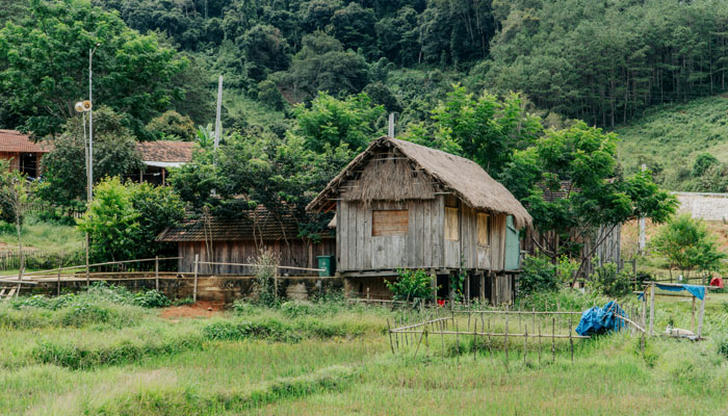
Rustic cabins have a powerful pull. Exposed beams. Wood-burning fireplaces. Quiet mornings wrapped in pine trees and fog. On screens, they look peaceful, cozy, and refreshingly simple --- the kind of place where life finally slows down.
But here's the part most articles skip: some rustic cabins are exhausting to live in. Not because they're ugly or poorly designed, but because the romance often ignores how daily life actually works.
If you've ever dreamed of owning or decorating a cabin, it helps to know where that dream can quietly turn into frustration.
The Beauty of Raw Wood Comes With Constant Maintenance
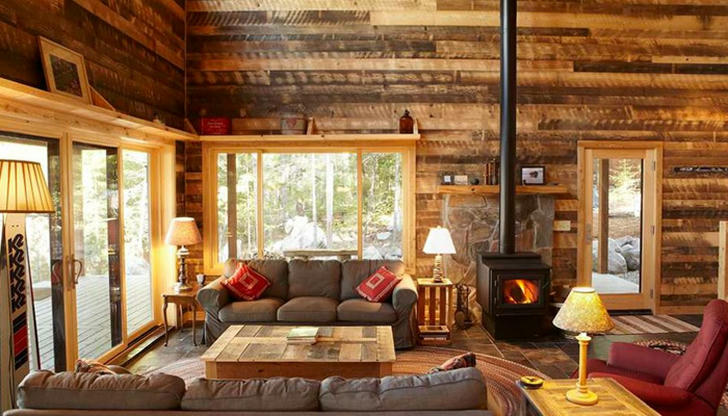
Exposed wood is the soul of rustic design --- walls, ceilings, beams, floors. It looks warm and timeless. It also needs attention. A lot of it.
Raw or lightly treated wood collects dust faster than painted surfaces. It darkens unevenly. It cracks with temperature changes. In humid areas, it can swell or grow mold. In dry climates, it dries out and splits.
What looks charming in photos often means regular oiling, sealing, sanding, and repairs in real life. Skip maintenance for a year or two, and small cosmetic issues can turn into expensive fixes.
Rustic living rewards hands-on homeowners. If you prefer "set it and forget it," it can become a headache.
Open Floor Plans Look Cozy --- Until Winter Hits
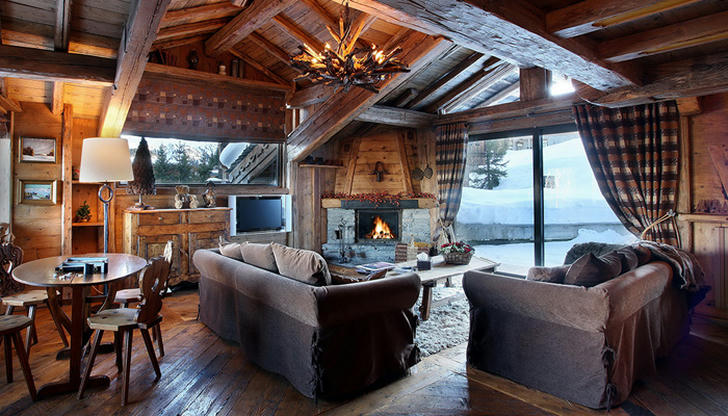
Many cabins feature open layouts with high ceilings and lofts. Visually, they're stunning. Practically, they're hard to heat.
Warm air rises, leaving living areas chilly while the ceiling traps heat you'll never touch. Wood stoves and fireplaces help, but they rarely heat large open spaces evenly without constant feeding and adjustment.
In winter, that "airy" feeling often turns into drafts, cold floors, and uneven temperatures. Cabins that feel magical in fall can feel stubbornly uncomfortable in January.
Fireplaces Are Romantic --- and Surprisingly Inconvenient
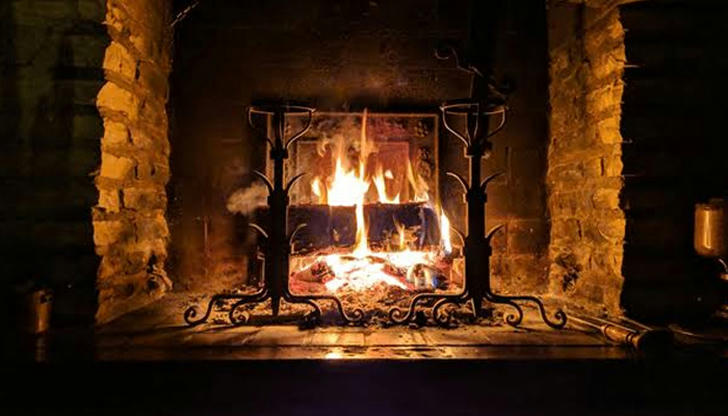
A crackling fire is peak cabin fantasy. The reality includes hauling firewood, cleaning ash, monitoring sparks, and dealing with smoke that never quite behaves.
Fireplaces also aren't always efficient heat sources. Many lose more heat than they generate unless upgraded inserts are installed. Meanwhile, ash dust travels farther than you expect, settling on furniture and fabrics.
If a fireplace is your primary heat source, your daily routine quietly revolves around it. Miss a few hours, and the cabin cools fast.
Large Windows Invite Nature --- and Everything That Comes With It
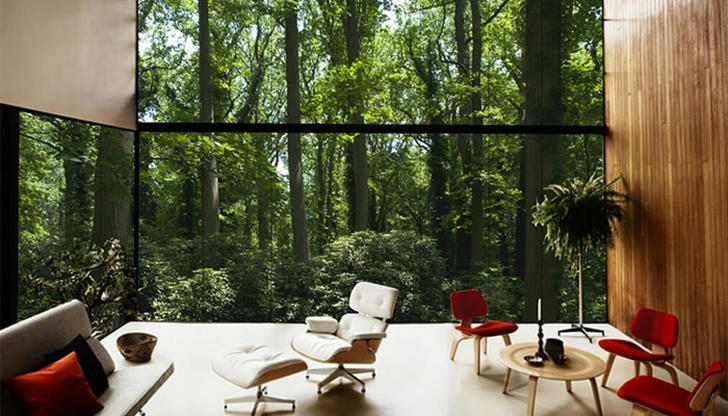
Floor-to-ceiling windows are everywhere in rustic cabin design. They frame forests, lakes, and snowfall beautifully. They also bring glare, heat loss, condensation, and privacy challenges.
In colder climates, older or poorly insulated windows bleed heat. In warmer areas, they turn cabins into greenhouses. Cleaning them --- especially in remote locations --- is harder than it looks.
And while "secluded" sounds peaceful, wildlife doesn't respect personal space. Bugs, birds, and curious animals often see those windows as invitations.
Rustic Interiors Show Wear Instantly
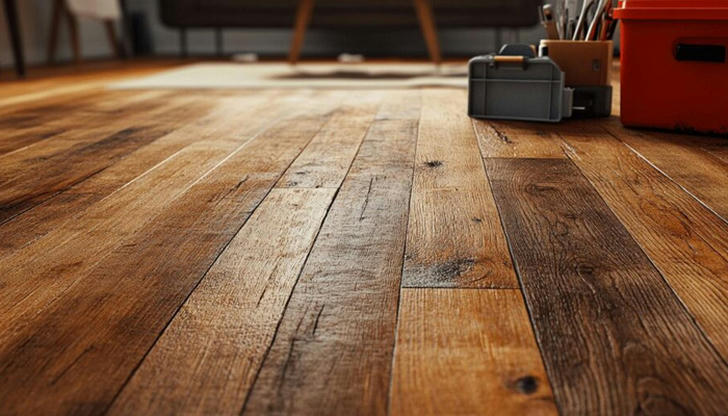
Rustic homes don't hide wear --- they highlight it. Scratches, dents, stains, and scuffs are part of the look... until they aren't.
Rough wood floors don't forgive spills. Natural stone stains easily. Vintage furniture looks charming until it breaks under daily use. Textiles pick up smoke, moisture, and odors faster than in modern homes.
In theory, rustic spaces age gracefully. In practice, they require acceptance of imperfection --- or frequent touch-ups.
Rural Locations Add Invisible Stress
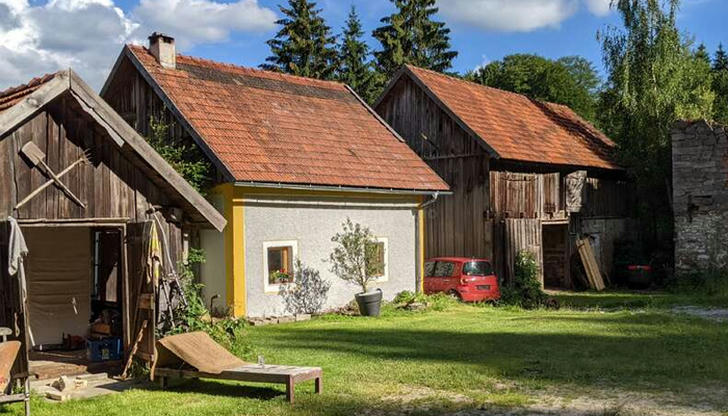
Most rustic cabins aren't just stylistic choices; they're location choices. Rural living adds layers of responsibility many first-time owners underestimate.
Think private wells, septic systems, snow removal, long drives for groceries, limited internet, and fewer repair services. When something breaks, you may wait days --- or fix it yourself.
This independence appeals to some people. For others, it slowly becomes overwhelming.
Too Much "Rustic" Can Feel Dark and Heavy
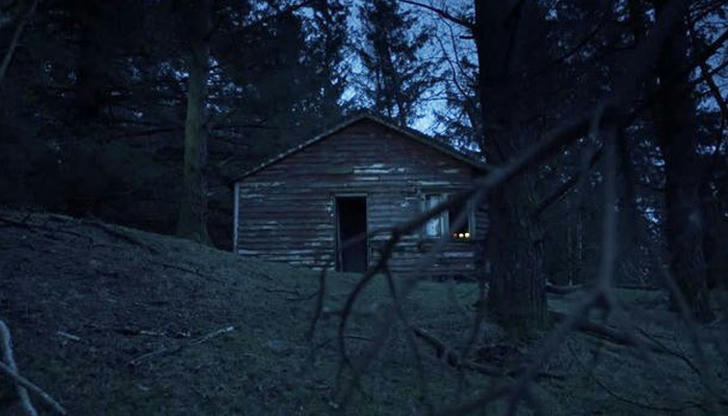
Wood-on-wood-on-wood sounds cozy, but it can easily tip into gloomy. Without careful lighting and balance, cabins can feel dim even during the day.
Many rustic homes rely heavily on warm, low lighting for atmosphere. Over time, that atmosphere can feel tiring, especially for people who work from home or spend long hours indoors.
Modern updates like layered lighting, lighter finishes, or neutral breaks are often necessary --- even if they slightly soften the "pure rustic" look.
The Biggest Problem: Expectations vs. Reality
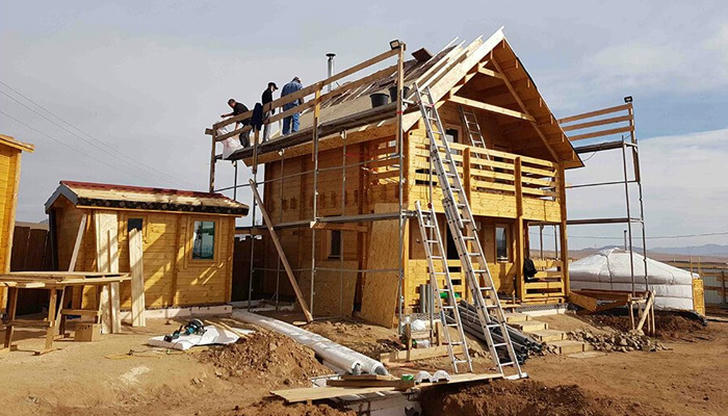
The real issue with nightmare cabins isn't bad design --- it's misaligned expectations.
Rustic living isn't passive. It demands participation. You don't just live in a cabin; you maintain it, adapt to it, and work with it.
For people who enjoy physical upkeep, seasonal routines, and visible signs of use, cabins can be deeply satisfying. For those expecting a cozy aesthetic without the lifestyle commitment, frustration creeps in quietly.
Rustic Living Works Best With Honest Design
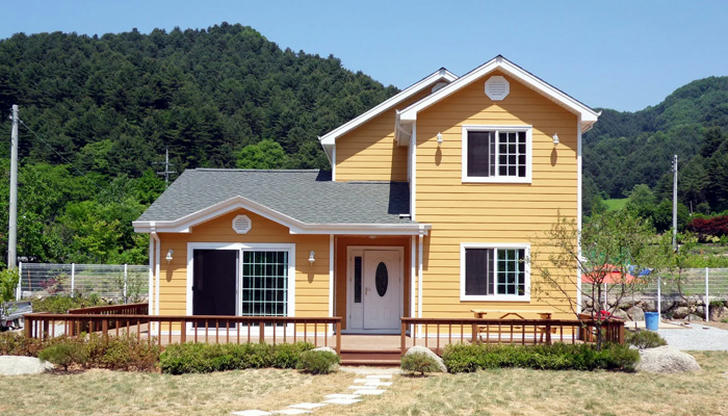
The happiest cabin owners don't chase perfection. They blend rustic charm with modern comfort. They add insulation where needed, choose durable finishes, and accept that beauty and practicality must coexist.
A well-lived-in cabin isn't a failure of design --- it's proof that rustic living is real, not staged.
Before falling in love with the look, it's worth asking a harder question:
Do you love rustic aesthetics --- or rustic living?
Because the difference matters more than any decor choice ever will.